The Currency of a Title
Washington's semantic reclassification of Beijing's leadership signals tactical calculation rather than diplomatic deference.
SINGAPORE
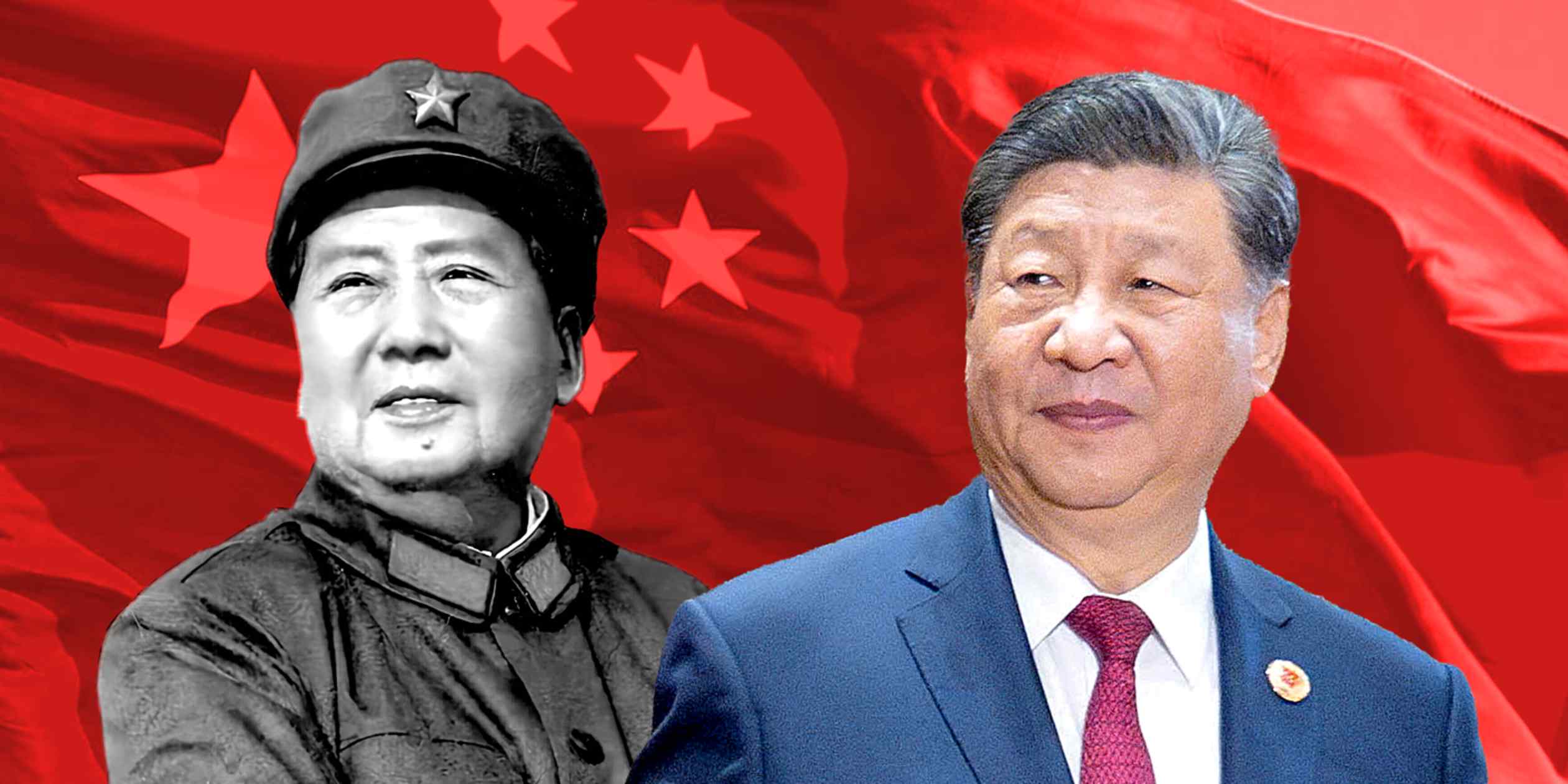
Diplomatic protocol rarely alters nomenclature by accident. When an analytical assessment from Nikkei Asia records that the United States has granted Xi Jinping the title historically reserved for Mao Zedong, the shift represents a calculated administrative reappraisal rather than casual rhetoric. Formal diplomatic titles function as sovereign currency, calibrated to telegraph parity, constraint, or ideological confrontation.
Assigning the designation of chairman alters the terms of engagement. For decades, Western diplomatic convention adhered to the title of president when referencing the head of state in Beijing, maintaining a deliberate fiction of institutional symmetry with democratic executives. Mao Zedong carried the chairman title as an expression of absolute ideological pre-eminence and revolutionary authority. Reviving that specific vocabulary for Xi Jinping strips away the bureaucratic veneer of a conventional head of state, framing the leadership through the historical lens of consolidated, singular party rule.
The Protocol Calculation
Nomenclature can confer status, yet it can equally serve as an instrument of strategic containment. By invoking the designation once borne by Mao Zedong, American foreign policy apparatuses do not offer flattery. Instead, the framing functions as an institutional audit of political power. Elevating a leader's title to match that of a revolutionary founder underscores the total concentration of executive command, removing any diplomatic ambiguity regarding accountability.
Skeptics of rhetorical diplomacy often argue that formal address matters little against the hard mechanics of statecraft. In this view, shifting titles produces no tangible adjustment in trade balances, military deployments, or bilateral negotiations. Words do not redirect merchant vessels or reprice sovereign debt. Treating symbolic gestures as structural shifts risks confusing diplomatic theatre with material realignment.
Institutional Symmetry
That argument underestimates how sovereign communication establishes diplomatic liability. When state departments and international analysts alter the baseline vocabulary applied to a foreign counterpart, the change reverberates through working-level protocol. A counterpart designated under the mantle of Mao Zedong cannot claim the collective insulation of a distributed cabinet. Power is identified directly at its source, and responsibility is assigned accordingly.
Whether this semantic realignment forces a corresponding adjustment from counterparts across the Asia-Pacific remains an operational tension. Regional capitals navigating bilateral engagements must determine whether adopting Washington's terminology risks economic friction or whether resisting it compromises alignment with the United States. The symbolic elevation has been executed on paper, but the diplomatic cost of carrying that title has yet to be settled.
Sources
Newsletter
Pacific Daily
A curated briefing from Thailand, Asia-Pacific and the world.