Tourist Safety Concerns in Yucatán Highlight Broader Industry Vulnerabilities
A recent death in Mexico underscores how perceived threats, even when localized, can impact tourism beyond immediate geographic bounds.
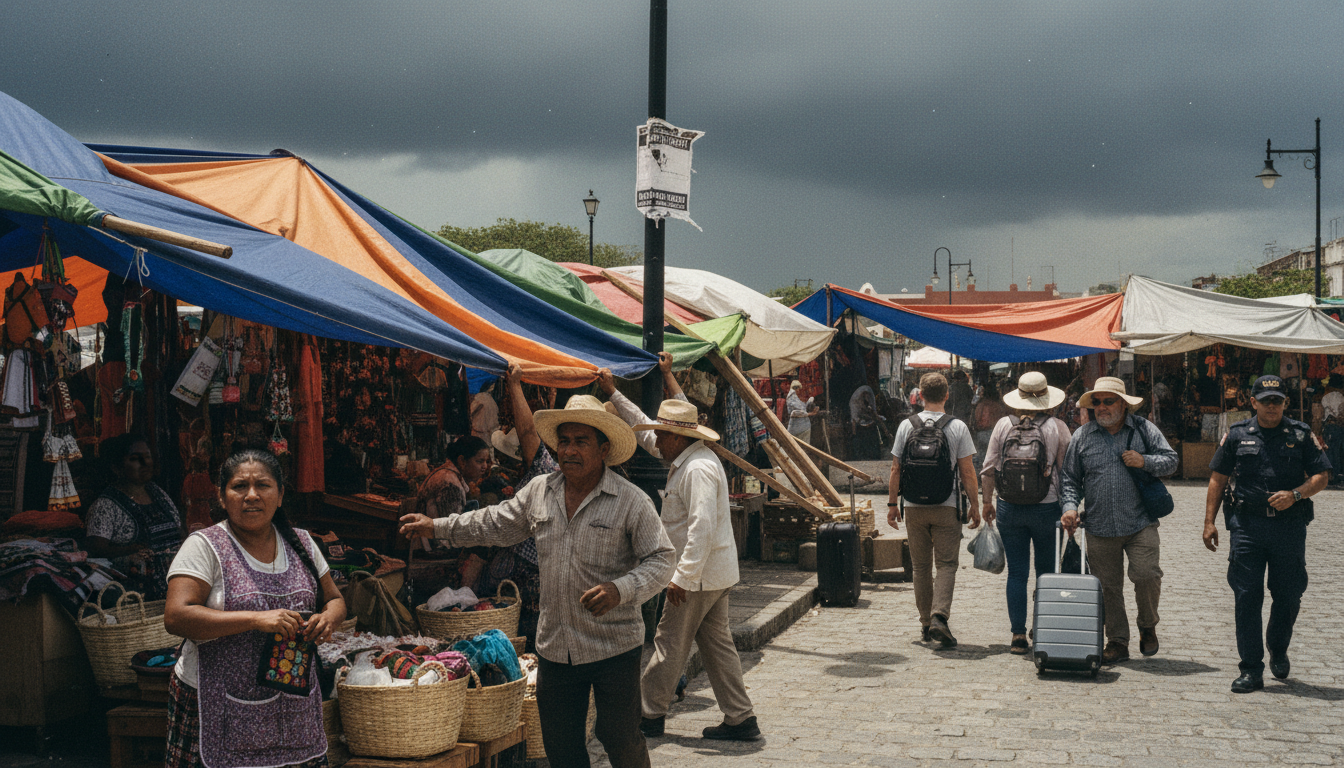
A recent death in Mérida, Yucatán, has ignited localized concerns over water safety, raising a pertinent question for tourist-dependent economies across the Asia-Pacific: how do perceived threats, even those scientifically dismissed, influence visitor behavior and investment? The reported death of a 34-year-old water sports instructor from Primary Amoebic Meningoencephalitis (PAM), likely caused by Naegleria fowleri, prompted anxieties among Yucatán residents regarding popular cenotes. This occurred despite subsequent claims from experts that the natural cenote water is too cold for the microorganism.
The immediate financial implications for the Yucatán tourism sector are not yet clear. However, the incident highlights a broader tension. While the reported presence of *N. fowleri* was in an artificial lake at a shopping center where the instructor worked, not directly in the cenotes, the public imagination connected the two. This demonstrates how a specific, localized event can generate wider apprehension, impacting destinations that rely heavily on their natural attractions and water-based activities. For regions like Thailand, where natural water bodies, including beaches and inland reservoirs, are central to the tourism appeal, such incidents serve as a signal.
Investors and operators in the hospitality sector often prioritize measurable risks: financial volatility, geopolitical instability, or changes in travel patterns. Less tangible threats, like public perception of safety regarding environmental factors, are harder to quantify yet can have immediate effects on bookings and future development. The question for destinations is not just whether a threat is real, but whether it is *perceived* as real by potential visitors. The Yucatán case, where an attributed claim from experts addresses public concern, illustrates this dynamic.
Multiple factors have recently introduced uncertainty into Mexico's broader tourism landscape, including a tropical storm making landfall in June 2026, a presidential plan to combat seaweed choking beaches in August 2026, and a magnitude 7.3 earthquake in July 2026. Separately, violence erupted in February 2026 following the reported death of a drug lord, leading to a hunt for 23 escaped inmates. While these events are geographically distinct from Yucatán's amoeba incident, they collectively contribute to a narrative of instability that can affect overall destination attractiveness. The amoeba incident, though small in scale, adds another layer of concern. The industry's challenge lies in managing and communicating safety in the face of both proven risks and widely circulating fears.
For destinations across the Asia-Pacific, particularly those recovering from recent disruptions, this incident underscores the importance of clear, rapid, and authoritative communication during health or safety scares. The cost of failing to address public anxiety can be significant, potentially outweighing the direct costs of the incident itself. The outcome now depends on how effectively Yucatán’s authorities and tourism bodies can reassure a nervous public, and whether this perceived threat can be contained before it impacts broader sentiment.
Sources
Newsletter
Pacific Daily
A curated briefing from Thailand, Asia-Pacific and the world.