The Unbuilt Landscape: AI's Shadow on Asia-Pacific Workplaces
Office buildings stand as monuments to a past certainty. Artificial intelligence introduces a new kind of doubt into their future.
SINGAPORE
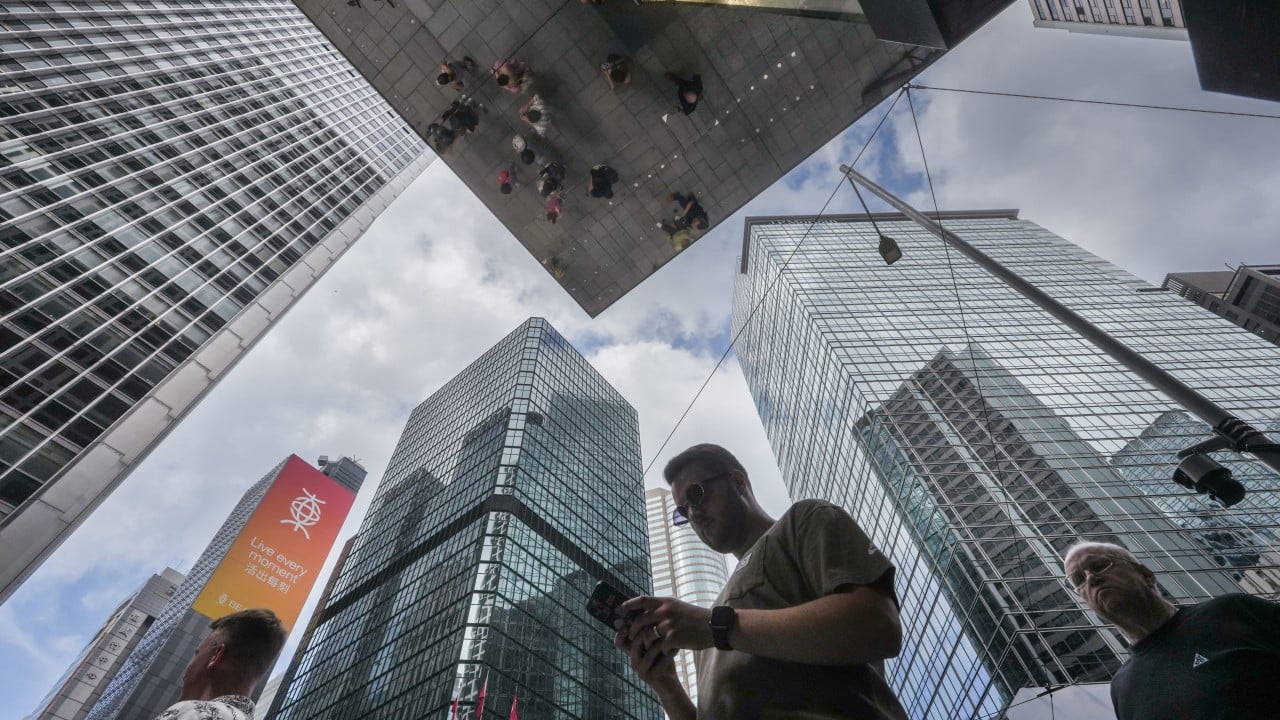
The glass and steel towers that punctuate the skylines of Bangkok, Singapore, or Hong Kong have long represented a specific kind of aspiration: the centralized hub, the daily commute, the physical convergence of labor. They embody the belief that work, at its core, is a place. Yet, a study by CBRE presents a portrait of uncertainty shading this established vision across the Asia-Pacific.
The property consultancy’s poll of corporate real estate executives in the region, reported by SCMP Travel on 2026-09-18, reveals a fragmented outlook on the future of office space. Nearly one-fifth of surveyed companies anticipate that the wider adoption of artificial intelligence will reduce their real estate needs. This suggests a future where digital tools might lessen the demand for square footage, perhaps by enabling more remote work or streamlining operational efficiency within existing spaces. However, more than half – 56 per cent – held a neutral view, believing either that AI had no impact on office space demand or that it was too early to determine its effect. This widespread neutrality, rather than a clear consensus, is itself a signal: the ground is shifting, but its final contour is not yet visible.
Conversely, the remaining 25 per cent said AI adoption would require them to expand. This could imply a requirement for specialized facilities, collaborative hubs for AI development teams, or simply a belief that technological advancements will lead to business expansion requiring more, not less, physical presence. The division among these executives highlights a fundamental tension: does AI enable dispersal or demand concentration?
Hong Kong, for instance, in 2023 held Asia’s priciest co-working spaces, signaling an ongoing demand for flexible, shared environments even as other trends emerged. In the same year, a push towards hot-desking was observed as companies sought to optimize their layouts. These shifts within the existing real estate paradigm speak to a perpetual re-evaluation of how space serves function. Now, AI injects an entirely different variable, questioning the very necessity of certain functions requiring dedicated space.
This landscape of corporate indecision, where executives are divided on whether AI expands, shrinks, or leaves office footprints unchanged, marks a significant moment. The architecture of our working lives has always reflected the prevailing economic and technological paradigms. If AI’s primary impact is indeed on 'office operations rather than on real estate requirements,' as CBRE says, then the physical spaces may become less about housing a workforce and more about housing the specialized infrastructure or collaborative nodes that AI-driven operations demand. The question is not simply how much space, but what kind of space, and for whom, in a region grappling with its own rapid transformations.
Sources
Newsletter
Pacific Daily
A curated briefing from Thailand, Asia-Pacific and the world.