The Silent Audit and Asia's Shifting Manufacturing Heart
Tesla’s quiet inspections in China signal a new phase for regional production, far beyond the factory floor.
SINGAPORE
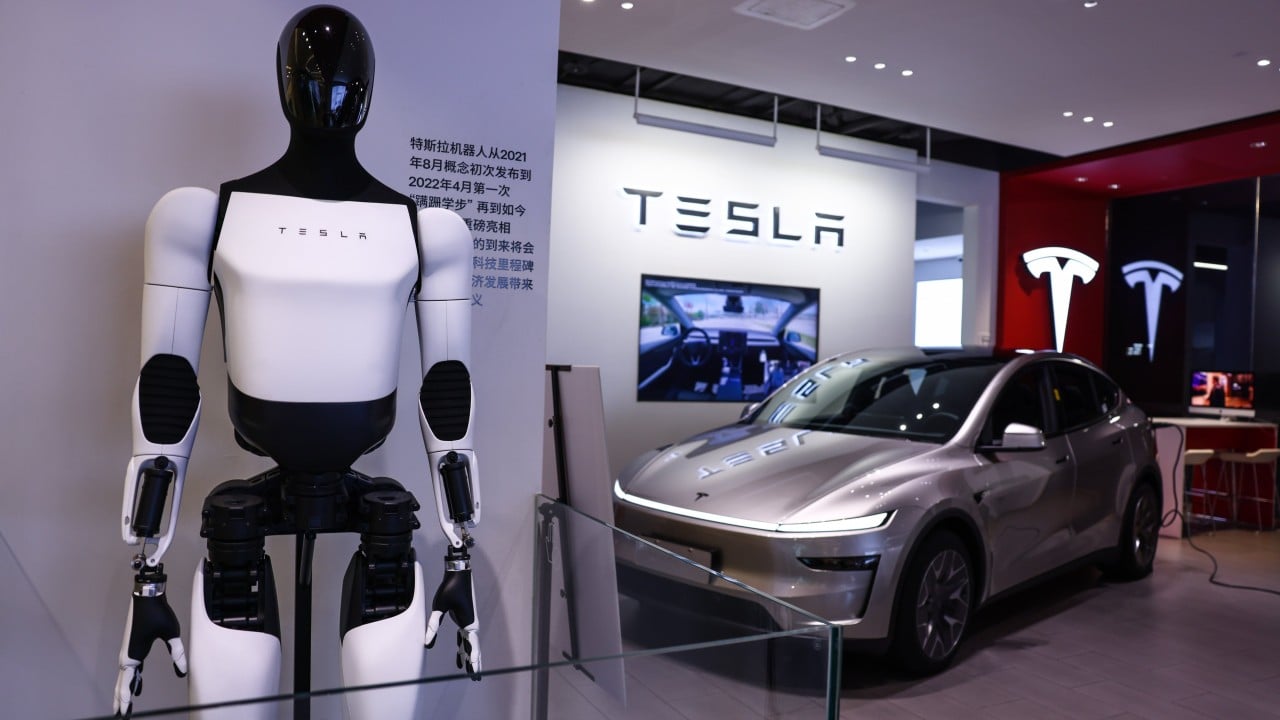
A discreet team from Tesla, composed of officials and engineers, has begun the process of auditing select Chinese suppliers. This quiet undertaking, aimed at ramping up production for the Optimus humanoid robot set to launch later this year, focuses on specific companies: Zhejiang Sanhua Intelligent Controls for heat-control components, Ningbo Joyson Electronic for auto parts, and Tuopu Group for chassis. The move, reported by SCMP Travel on September 18, 2026, involves direct engagement with the firms, a prelude to a significant product rollout.
Such audits are typically logistical exercises, ensuring quality and readiness for mass production. Yet, when a company like Tesla, known for its strategic global footprint, dispatches teams for such an assessment, the reverberations extend beyond immediate supply chain adjustments. The fact that these audits precede the Optimus robot's global market debut later this year is notable. Tesla has previously indicated its intent to introduce new products to the Asia-Pacific region, with the Cybercab's debut planned for an expo in Shanghai in November.
This methodical approach to vetting Chinese suppliers for an ambitious robotics project suggests a strategic deepening of manufacturing ties in the region. It is a decision that affects not only the direct suppliers but also the wider ecosystem of industrial support and specialized labor that coalesces around such high-tech ventures. The selection of these particular suppliers for a robot project, rather than purely automotive components, indicates a diversification of the production base. Where manufacturing once centered solely on electric vehicles, the shift now includes humanoid robotics, drawing on existing expertise but also demanding new specializations.
However, this sustained engagement in China occurs against a backdrop of complex geopolitical and economic currents. Elon Musk publicly denied a report of a Tesla China unit sale on July 31, 2026, ahead of a SpaceX merger, a reminder of the scrutiny surrounding the company's regional commitments. Furthermore, Tesla's global supply strategy is not exclusive to China; the company announced plans for a US battery plant using equipment from China’s CATL on January 31, 2024. These parallel developments highlight a nuanced strategy: while tapping into established Chinese manufacturing prowess for specific components, Tesla also explores other avenues and regions for critical production elements.
The act of an audit, in its very precision and focus, illuminates a broader pattern. It reveals a manufacturer’s reliance on existing, proven capabilities within a specific geographical area, even as global narratives shift. It is not an expansion into new territories, but a refinement of existing relationships for a new product category. The selection of these Chinese companies for the Optimus audit, therefore, does not solely speak to their individual capacities, but to the continued embeddedness of certain manufacturing specializations within the Chinese industrial landscape, a reliance that persists despite broader calls for supply chain diversification.
Sources
Newsletter
Pacific Daily
A curated briefing from Thailand, Asia-Pacific and the world.