The Invisible Threads of Trust: Singapore's Legal Foundations Under Scrutiny
An audit, police investigations, and the delicate balance of a regional pillar.
SINGAPORE
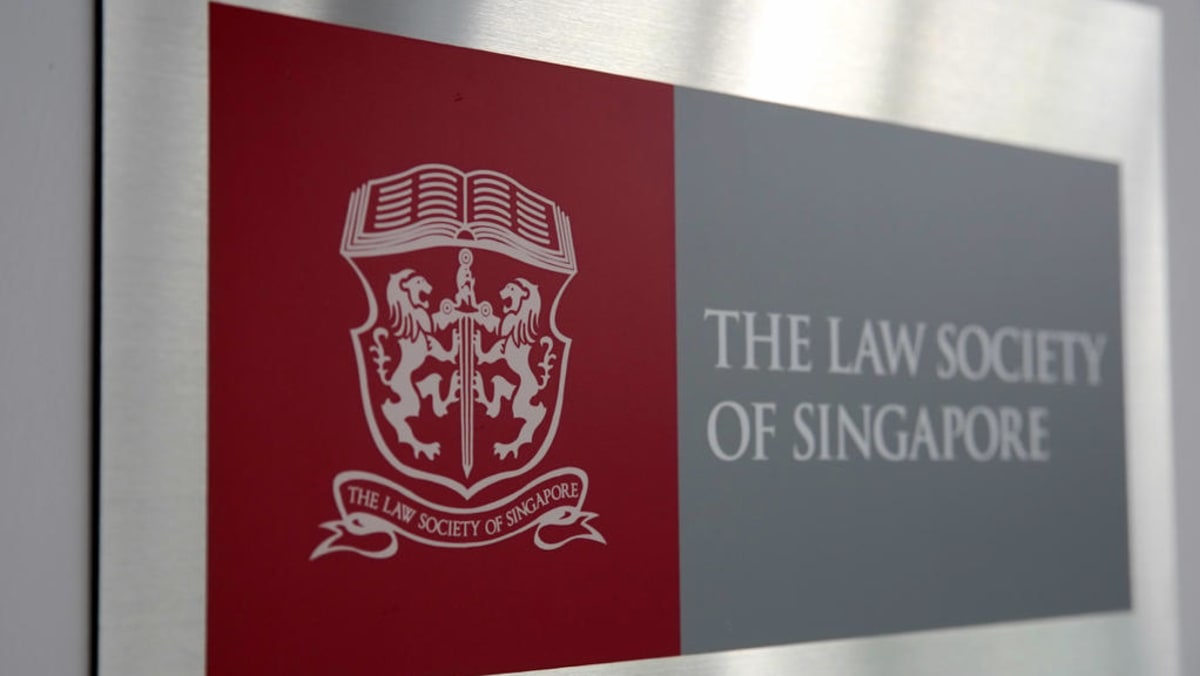
The Ministry of Law (MinLaw) acknowledging police investigations stemming from a Law Society (LawSoc) audit casts a particular shade on Singapore's legal landscape, especially for a region that often looks to the city-state for clarity in commerce. This revelation, reported by CNA on September 22, 2026, centers on an audit whose full report LawSoc committed to releasing in August, after a redaction process. That commitment followed calls from its own members and Law Minister Edwin Tong.
Singapore has long cultivated an image of meticulous regulatory oversight and legal integrity, a reputation that underpins its role as a financial and legal hub in Asia. This framework supports a significant ecosystem: in 2018, a new program was launched to aid Singaporean lawyers venturing abroad, and MinLaw has focused on supporting the training and upskilling of in-house lawyers. These initiatives aim to project competence and reliability. However, recent events, such as MinLaw naming six law firms in August 2025 for involvement in a S$3 billion money laundering case, reveal the pressures on this system.
The Law Society, which represents lawyers and maintains professional standards, is now in the position of having its internal audit become the subject of external, criminal inquiry. LawSoc council members have stated they will cooperate fully. This sequence — an internal review leading to police involvement — highlights the distinct lines between self-governance and state enforcement. The expectation of accountability from both the legal profession and governmental bodies is palpable. For a city that prides itself on the robustness of its institutions, the unfolding situation becomes a stress test.
What does this ask of those who arrive, looking to Singapore as a steady hand? The complexity of commercial disputes is reportedly increasing across borders, as highlighted by The Business Times on August 19, 2026. This rising complexity places greater demands on the perceived incorruptibility of legal systems. When the mechanisms designed to ensure rectitude face public investigation, it can introduce an element of uncertainty. The perceived strength of legal infrastructure is not just about the laws on paper, but the consistent, transparent, and impartial application of those laws. The current situation, where an audit intended to self-regulate draws police attention, suggests a deeper re-evaluation of these critical underpinnings may be underway.
The Law Society's full report, once redacted and released, will presumably offer further insight into the nature of the issues identified. Until then, the ongoing police investigation, acknowledged by MinLaw, underscores the continuous vigilance required to maintain the foundational trust that Singapore has meticulously built across the Asia-Pacific.
Sources
Newsletter
Pacific Daily
A curated briefing from Thailand, Asia-Pacific and the world.