The Fine Dining Burger: A Chef's Pivot, or a Sign of Pressure?
Jernmark's move to elevate casual fare hints at broader industry challenges, even as it delivers a 'best new burger'.
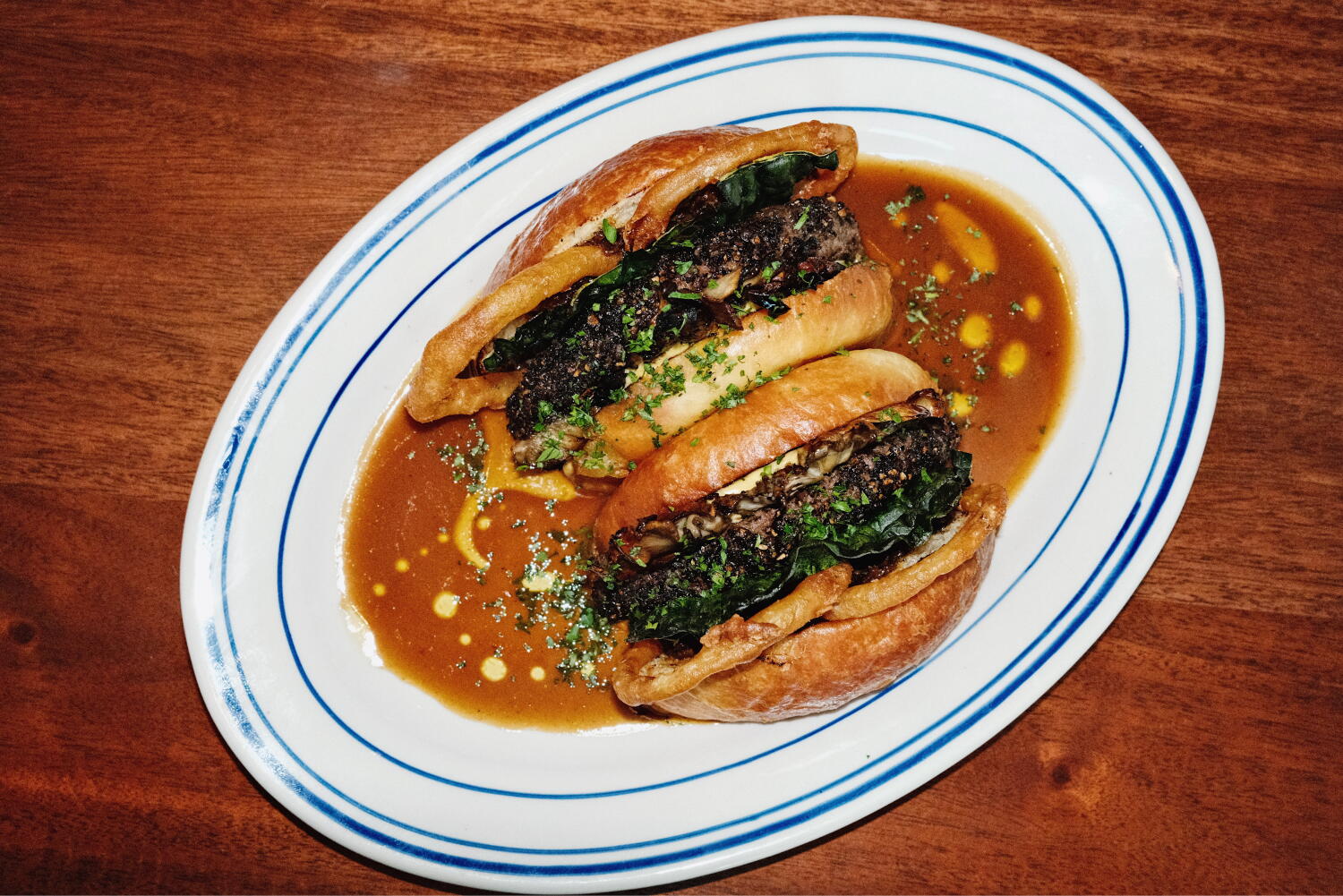
The debut of Lielle in February, helmed by Sweden-born chef Jernmark, quickly established it as a significant fine-dining presence in the city. Yet, the subsequent opening of Marée, a Parisian-inspired bistro and wine bar upstairs, introduces a tension in this narrative. The Los Angeles Times Food, in reporting on September 22, 2026, highlighted not Lielle’s intricate dishes, but Marée’s “signature hamburger au poivre with mushroom and fried onion,” proclaiming it the “best new burger in town.” This focus shifts attention from the craft of haute cuisine to the apparent perfection of a casual staple.
Jernmark's decision to launch Marée with a burger as a centerpiece raises a question about the sustainability of high-end culinary ambition. The precision required for fine dining — the disciplined execution of escargot beignets and house-baked bread for miso vinaigrette, as cited by the Los Angeles Times Food on September 22, 2026 — typically demands resources and a clientele willing to pay for that level of detail. Pivoting to a 'best new burger' suggests a recalibration. The technique of elevating a hamburger, a dish often associated with more accessible establishments such as Five Guys or In-N-Out Burger, as referenced by articles from The Star Press in 2019 and The New York Times in 2026 respectively, requires a different kind of mastery. It involves applying fine-dining principles of ingredient sourcing and exact preparation to a familiar format, but for potentially different commercial outcomes.
The implication for the Asia-Pacific market is notable. Across cities like Bangkok, Singapore, and Hong Kong, fine dining has seen significant growth, yet it also contends with increasing operational costs and evolving consumer preferences. The strategy of a renowned chef introducing a highly refined version of comfort food could be interpreted as a pragmatic response to these pressures. It democratizes access to a chef’s skill, potentially broadening the customer base beyond the traditional fine-dining demographic. This approach allows a chef to leverage their reputation while operating within a more flexible and, perhaps, more profitable business model.
However, this strategy is not without its risks. The market for 'elevated' casual food is increasingly crowded. While a chef of Jernmark's caliber may initially attract attention, the long-term success of such a venture depends on consistent execution and distinctiveness. The ghost kitchen phenomenon, for instance, underscores the challenge of maintaining quality and reputation in high-volume, casual formats. YouTuber MrBeast, as reported by SCMP, described a food venture as 'The absolute worst burger ever'. This suggests that a chef’s prestige can be a double-edged sword; expectations are higher, and missteps can be more damaging.
Ultimately, Jernmark’s introduction of Marée, with its acclaimed burger, reflects an ongoing tension in the culinary world: the pursuit of artistic expression in fine dining versus the commercial realities of running a successful restaurant. It highlights how even established culinary figures may seek new techniques to sustain their ventures, suggesting that the line between high and low cuisine is increasingly blurred by economic necessity rather than purely creative intent.
Sources
Newsletter
Pacific Daily
A curated briefing from Thailand, Asia-Pacific and the world.