Singapore Writers Festival Scale Reveals Regional Funding Disparities
The 2026 Singapore Writers Festival demonstrates ambitious cultural programming, but its resource intensity highlights financial challenges for similar events across Southeast Asia.
SINGAPORE
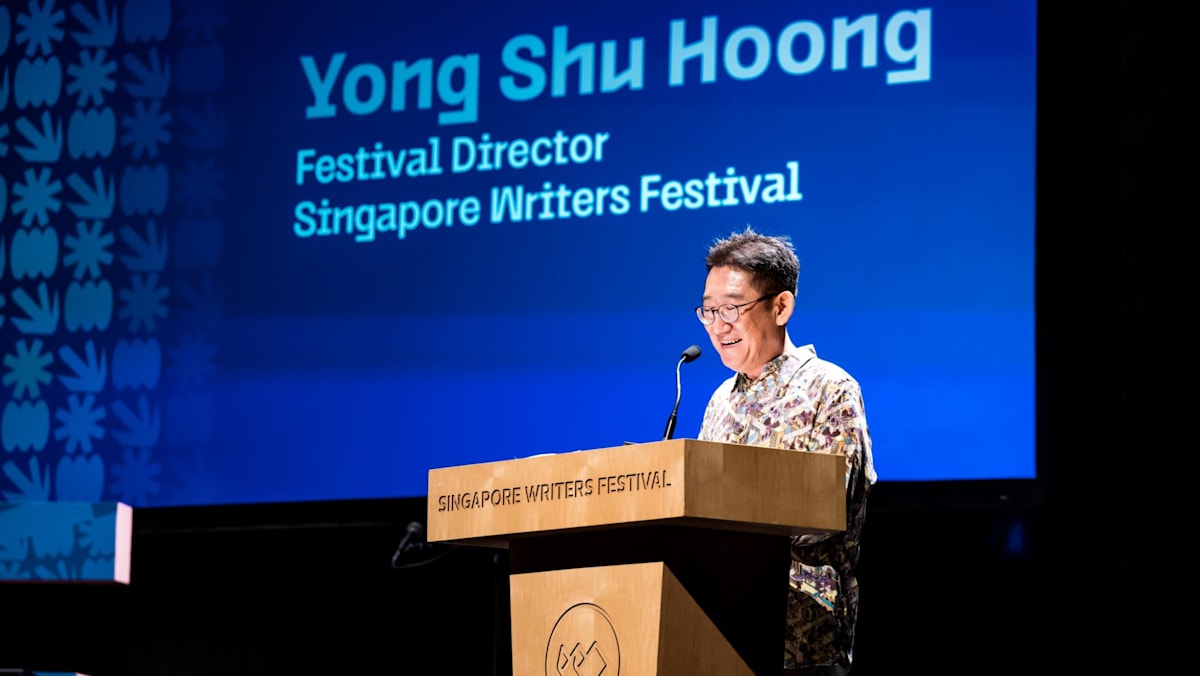
The Singapore Writers Festival 2026 is poised to present over 300 writers, speakers, and moderators within more than 200 programs. Announced highlights include authors Amitav Ghosh, Silvia Moreno-Garcia, and Rachel Smythe, alongside specialized offerings such as a new Crime & Mystery Spotlight, literary walks, and multilingual events. Yong Shu Hoong's final edition as Festival Director underscores the event's continuity.
Such an expansive program, featuring a large roster of international and local talent, implies considerable financial and logistical requirements. Cultural events of this magnitude typically depend on a blend of government subsidies, corporate sponsorships, and revenue from ticket sales. Singapore, with its established cultural funding mechanisms and higher per capita economic capacity, is positioned to support such an undertaking. The challenge for other nations in the Asia-Pacific region, particularly Thailand, lies in whether a comparable model can be viably replicated or sustained.
Attracting internationally recognized authors and securing appropriate venues requires significant upfront investment. The operational complexity of managing hundreds of programs with hundreds of participants over multiple days necessitates substantial logistical overhead. While the intrinsic value of literary festivals lies in fostering cultural exchange and literacy, their long-term economic viability ultimately hinges on consistent attendance and secure funding.
The festival's potential to draw visitors is evident. Individuals traveling to Singapore for the event would contribute to sectors such as hospitality and dining. However, attracting a sufficient international audience to justify such expenses in other regional centers, where public funding for arts might be less robust and private sponsorship potentially fragmented, presents a significant hurdle. In Thailand, for example, cultural events often rely heavily on state backing or a limited number of corporate patrons. Sustaining a festival of this scale would demand a diverse and stable funding stream that is not always readily accessible.
The inclusion of prominent names like Amitav Ghosh and Silvia Moreno-Garcia, coupled with specific programming such as the Crime & Mystery Spotlight, reflects a strategy designed to appeal to both broad literary interests and niche audiences. This diversification aims to maximize engagement and ticket revenue, yet it also increases the complexity of programming and marketing efforts. For other festivals in the region, balancing these strategic considerations against budget limitations is a constant negotiation.
While the Singapore Writers Festival exemplifies a commitment to literary arts, its scale also illuminates the economic disparities in cultural funding across the region. The ability to host such a large-scale event in Singapore does not automatically create a transferable blueprint for its neighbors. The core constraint that remains unresolved for many aspiring cultural hubs is establishing the robust, long-term financial foundations necessary to host events of comparable international standing.
Sources
Newsletter
Pacific Daily
A curated briefing from Thailand, Asia-Pacific and the world.