Sawasdee of Serenity: Thailand's Wellness Odyssey
From ancient healing arts to luxury retreats, Thailand's wellness tourism booms, but at what cost to authenticity?
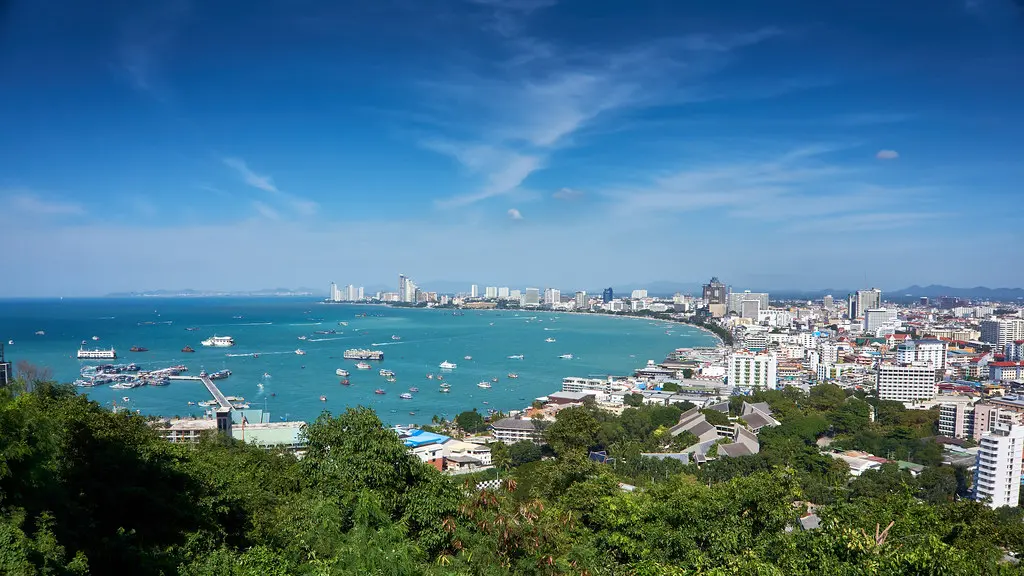
BANGKOK
The gentle chime of singing bowls, the scent of lemongrass and frangipani, the promise of renewal – these are the hallmarks of Thailand's burgeoning wellness tourism industry. For decades, the Land of Smiles has drawn travellers with its vibrant culture, stunning landscapes, and delectable cuisine. Now, a new current flows through its tourism arteries: the pursuit of holistic well-being. As Design & Living Editor for Pacific Press, I've watched this sector explode, offering everything from traditional Thai massage schools in Chiang Mai to ultra-luxury medical spas on Phuket's sun-drenched shores.
Economic figures underscore this profound shift. Before the pandemic, Thailand’s medical and wellness tourism market was valued at an estimated $12-18 billion annually, attracting millions. Post-pandemic, the government has explicitly positioned wellness tourism as a pillar for economic recovery, aiming to draw high-spending visitors and diversify away from mass tourism. This strategy is paying dividends. Destinations like Hua Hin, once a sleepy royal retreat, are now dotted with world-class wellness centres offering everything from detox programs to anti-aging therapies. Hospitals in Bangkok are partnering with luxury resorts to provide seamless medical tourism packages, blending elective surgeries with post-operative recovery in tranquil, five-star environments. This convergence isn't accidental; it's a meticulously crafted response to a global demand for mindful travel and preventative health.
The benefits are undeniable. The industry creates high-value jobs, from physiotherapists and nutritionists to skilled massage therapists and organic farm workers who supply the ingredients for bespoke wellness cuisines. It encourages the preservation and revival of traditional Thai healing practices, such as 'Nuad Thai' (Thai massage), which was recognised by UNESCO. Local communities, particularly in less-trodden regions, find new avenues for economic participation, developing homestays that offer immersive experiences in local culture and traditional remedies. Small-batch producers of herbal remedies and organic produce also find an eager market, fostering sustainable agricultural practices.
Yet, this rapid commercialisation presents a delicate balancing act. The very authenticity that attracts many to Thai wellness is vulnerable to dilution. As demand soars, so does the proliferation of establishments that may offer a superficial interpretation of traditional practices, driven more by profit than by deep cultural understanding. A massage isn't just a physical manipulation; it's steeped in spiritual and philosophical tenets. When these are stripped away for the sake of efficiency or lower cost, the experience loses its soul.
"The challenge isn't just to attract tourists, but to ensure they leave with a genuine understanding and appreciation of our heritage, not just a fleeting sensation of luxury."
Regulation becomes paramount. How does one certify a truly authentic 'Thai healing experience' amidst a sea of offerings? The government and industry bodies are grappling with standards, training, and ethical guidelines. There’s a crucial need to protect and empower true practitioners of traditional medicine, ensuring their knowledge is respected and fairly compensated. Furthermore, the environmental footprint of luxury wellness resorts, often built in pristine natural areas, demands scrutiny. Sustainable development, local sourcing, and responsible waste management are not just buzzwords; they are imperatives for an industry that purports to heal and rejuvenate.
Thailand's wellness journey is far from over. It's a dynamic evolution, where ancient wisdom meets modern demands. The opportunity is immense: to position Thailand not merely as a holiday destination, but as a global sanctuary for holistic health. However, achieving this requires a conscious commitment to integrity, cultural preservation, and environmental stewardship. The smiles should remain genuine, the healing authentic, and the future sustainable. Only then can Thailand truly master the art of serene prosperity.
Newsletter
Pacific Daily
A curated briefing from Thailand, Asia-Pacific and the world.