Mexico's Navy Takes the Helm at Pacific Ports Like Manzanillo
Placing ports under naval control was meant to curb smuggling and corruption. It has also turned trade gateways into a test of security policy.
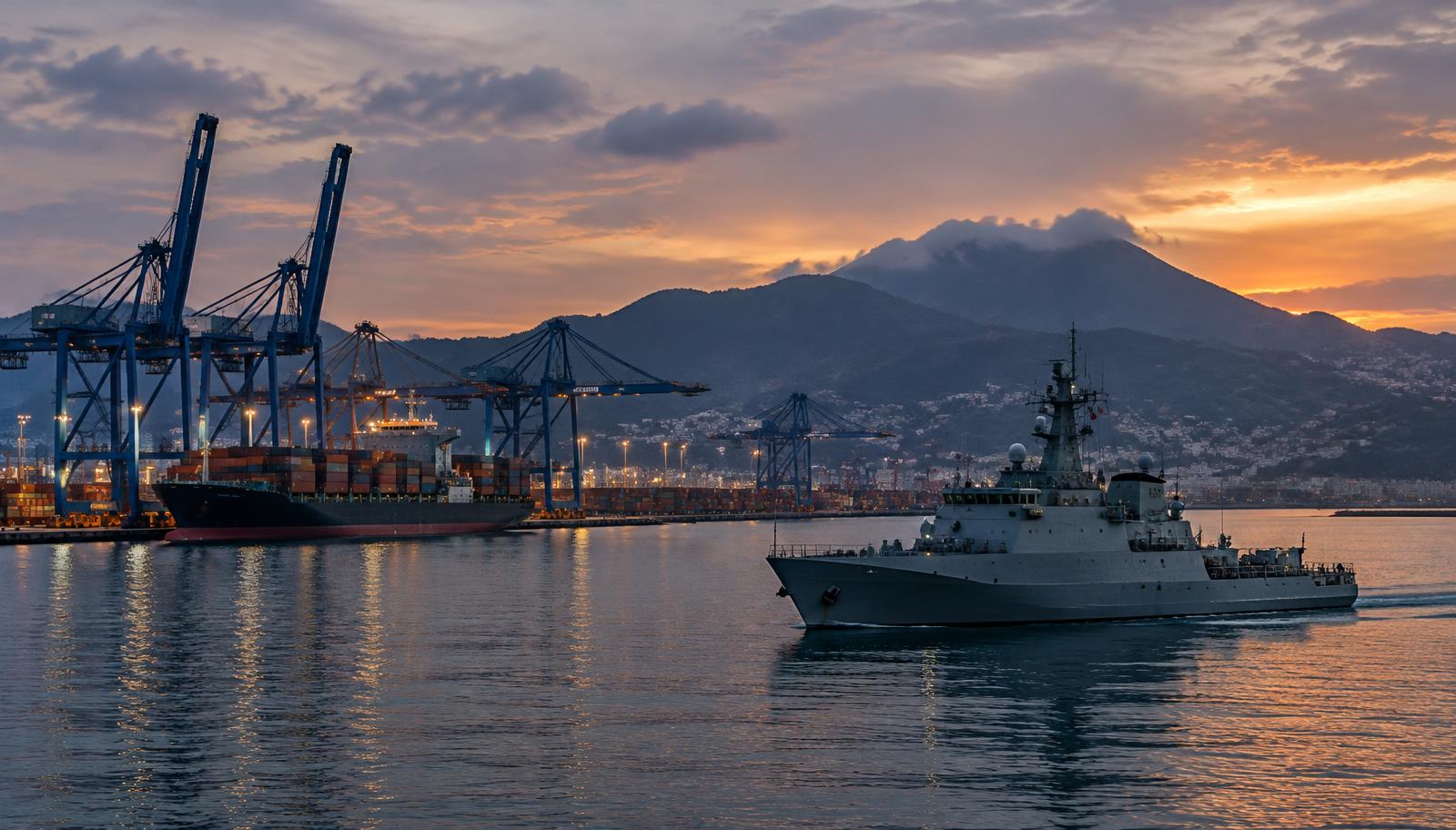
MANZANILLO, Mexico — At dusk, the cranes of Manzanillo glow above stacked containers while a grey patrol vessel glides across the harbour. Manzanillo, on Mexico's Pacific coast in the state of Colima, is the country's busiest container port and a key link between Mexican industry and suppliers in Asia.
In recent years, Mexico's federal government placed the administration of major ports under the Secretariat of the Navy (SEMAR). The stated aims were to combat corruption, curb smuggling of drugs and precursor chemicals, and strengthen control over customs and port operations. Manzanillo and Lázaro Cárdenas, the two main Pacific gateways, sit at the centre of that strategy.
Why the Pacific ports matter
Much of the trade between Mexico and Asia passes through these ports, including electronics, auto parts and industrial inputs from China, Japan, South Korea and Southeast Asia. As companies shift manufacturing closer to the United States under nearshoring strategies, Mexico's Pacific ports have grown more important as entry points for components.
At the same time, authorities in Mexico and the United States have identified Pacific ports as entry routes for chemical precursors used in synthetic drug production. Tighter inspection is meant to address that risk without choking legitimate commerce.
Security versus efficiency
The naval role has drawn mixed reactions. Supporters say military oversight brings discipline and reduces opportunities for bribery. Business groups have at times expressed concern about delays, bureaucracy and limited transparency. Civil liberties advocates warn more broadly about the expansion of the armed forces into civilian administration.
Port users ultimately judge performance by reliability: how quickly containers clear, how predictable inspections are and how well congestion is managed during peak seasons. Investments in rail connections, terminal capacity and digital customs systems are as important as security.
A trans-Pacific test
Manzanillo's evolution reflects a wider Pacific trend. Ports from Long Beach to Busan are being asked to balance speed, security and sustainability. For Mexico, success would strengthen its role as a manufacturing hub linking Asia and North America.
As night falls, the patrol vessel returns to its berth and another container ship waits offshore. Every box that crosses the quay is a small measure of whether Mexico can make its ports both safer and faster.
Sources
Newsletter
Pacific Daily
A curated briefing from Thailand, Asia-Pacific and the world.