Memory Makers Squeeze Personal Computers to Finance the Artificial Intelligence Boom
Doubling component costs expose how capital reallocation rather than physical scarcity dictates hardware margins across Asia-Pacific manufacturing hubs.
SINGAPORE
DRAM prices doubled in 2026, yet the factories producing them never stopped running. Silicon fabrication lines across the industry did not collapse under physical catastrophe or labor walkouts; instead, fabrication operators actively redirected cleanroom output away from commodity computing memory toward specialized enterprise hardware. When production lines deliberately switch allocations to satisfy high-margin artificial intelligence buyers, standard consumer dynamic random-access memory becomes artificially scarce by boardroom design.
Downstream personal computer makers absorb the immediate shock. Nikkei Asia reported that DRAM prices double in 2026 as AI focus squeezes PC makers, describing an abrupt margin collapse across client hardware assembly lines. Personal computer assemblers operate on notoriously slim margins, leaving no financial cushion to absorb a sudden doubling of component procurement costs. Passing those expenses to retail buyers risks stalling sales volumes entirely, while absorbing the bill erases thin operational profitability.
The Logic of Reallocated Wafers
Corporate spokespeople routinely describe component crunches as unpreventable natural events. Executives claim surging infrastructure procurement inevitably drains shared silicon supplies, casting standard personal computer shortages as collateral damage. The arithmetic suggests a colder calculus. Cleanroom wafer starts remain an active management choice, and allocating limited tooling to enterprise buyers yields immediate pricing leverage.
DRAM prices double in 2026 as AI focus squeezes PC makers.
Restricting the baseline memory volume available to commodity manufacturers instantly reversed years of sluggish component pricing. By engineering an artificial bottleneck in standard DRAM, suppliers secured high unit returns from client hardware brands that had previously negotiated steep volume discounts. Every wafer withheld from personal computer motherboards serves to inflate contractual baseline values across the entire manufacturing supply chain.
Downstream Vulnerabilities in Regional Assembly
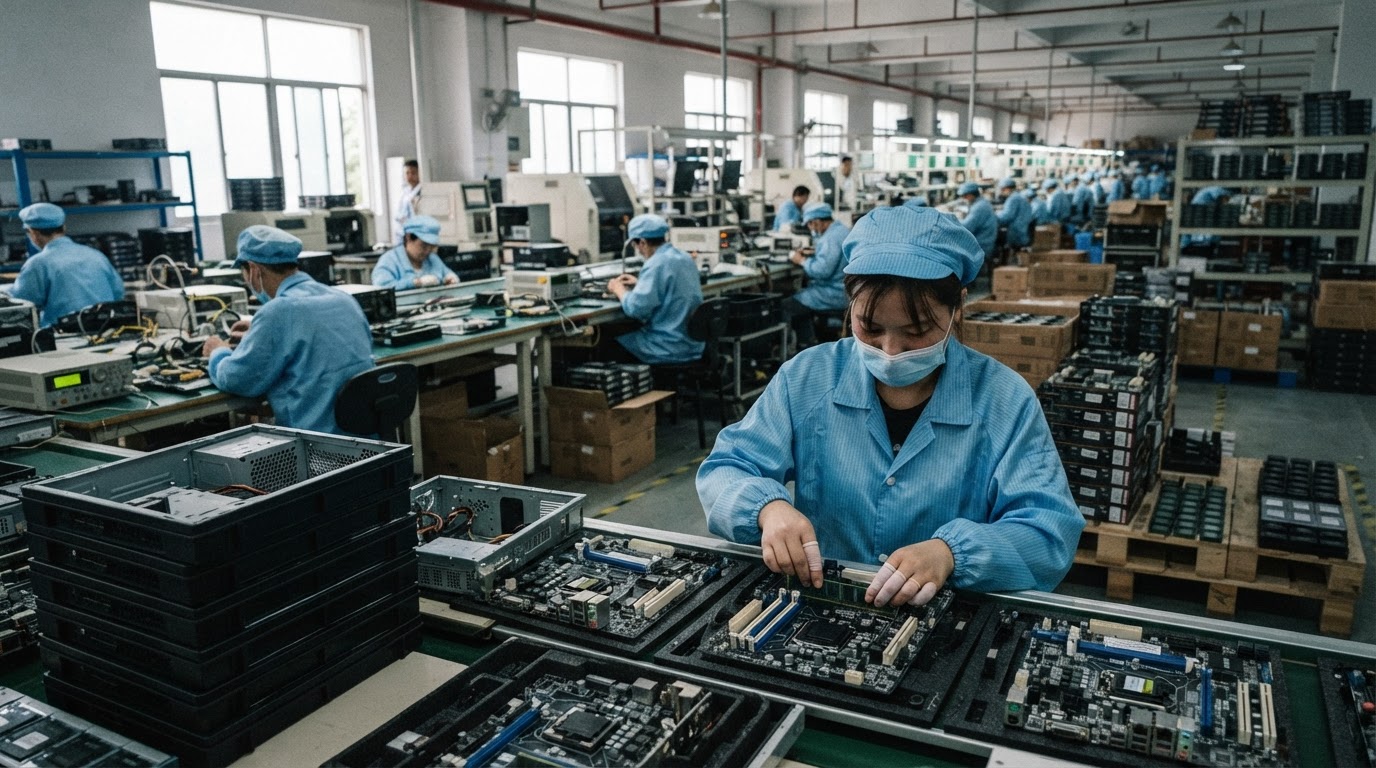
Regional assembly hubs throughout the Asia-Pacific depend on predictable bills of materials to sustain commercial viability. Contract assemblers cannot simply retool operations when memory costs spike, nor can they persuade ordinary laptop purchasers to foot enterprise surcharges. Unfinished inventory accumulates in warehouses whenever procurement costs outstrip end-user purchasing power.
Defenders of the suppliers argue that elevated pricing will naturally spur capital expenditure, funding new fabrication facilities that will eventually restore baseline supply. That response ignores the physical lead times required to construct advanced cleanrooms and commission lithography equipment. Fabricators have zero commercial incentive to speed up commodity production while disciplined scarcity generates record operating income.
The resulting strain falls squarely on personal computer makers trapped between doubled component costs and rigid consumer budgets. High procurement expenses continue to siphon liquidity from client device assembly, leaving personal computer makers locked in a manufactured supply bottleneck that silicon producers have no urgent motive to dismantle.
Sources
Newsletter
Pacific Daily
A curated briefing from Thailand, Asia-Pacific and the world.