India-Pakistan Cricket Clash: A Mirror to Enduring South Asian Dynamics
The 2027 Cricket World Cup fixture between India and Pakistan in South Africa reflects significant fan demand and the persistent political complexities dictating their sporting encounters.
SINGAPORE
The announcement of India and Pakistan meeting in the pool phase of the 2027 Cricket World Cup on October 10 next year in Johannesburg is not a simple fixture reveal. This pairing consistently commands global attention, reflecting underlying economic and political dynamics within South Asia and beyond. The tournament will be co-hosted by South Africa, Namibia, and Zimbabwe.
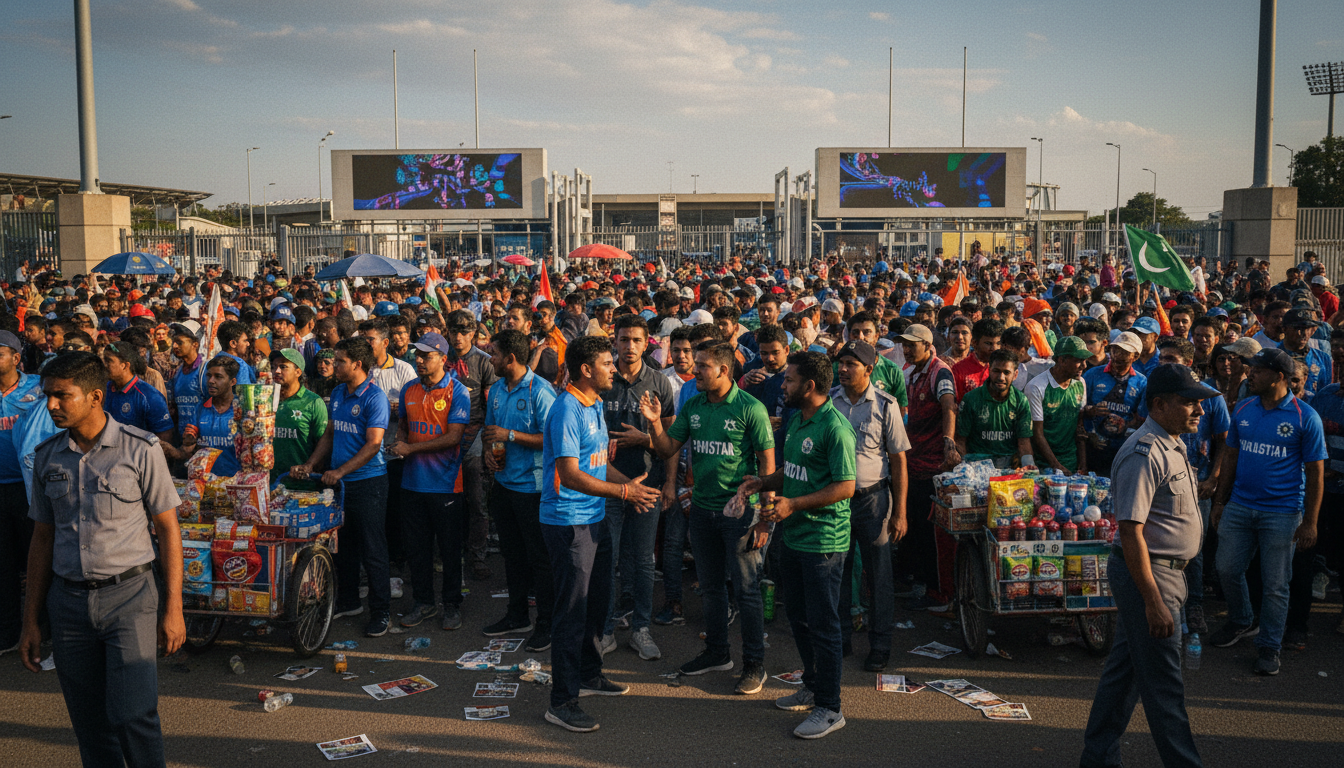
Cricket matches between these two nations occur infrequently, often restricted to multinational tournaments at neutral venues due to long-standing bilateral tensions. This scarcity, however, amplifies their commercial value. Tickets for an India vs Pakistan Champions Trophy match in 2025 sold out in less than an hour, demonstrating a robust market demand. The 2023 World Cup also featured India against Australia, a repeat of the 2023 final, which commenced the second stage of the tournament in Cape Town on October 7. Such high-profile encounters are crucial for tournament organizers, promising substantial viewership and revenue.
From a regional perspective, the match’s placement in South Africa, rather than in either South Asia or a major cricket market such as the United Kingdom, underscores logistical and political sensitivities. India and Pakistan have a history that impacts these interactions. When they met in the T20 World Cup 2026, the umpires for that specific match, alongside the officials for the group stage, were announced. The outcomes of these matches, such as the T20 World Cup 2026 clash that influenced Pakistan's Super 8 qualification prospects, often carry disproportionate significance for fans and national sentiment in both countries.
For Southeast Asian nations like Thailand, which do not possess a traditional cricket power base, the broader implications involve understanding the economic and cultural gravitational pull of South Asia. The fervent interest in India-Pakistan matches reveals a significant consumer base and media market. This market can influence regional broadcasting rights and sponsorship landscapes, even in regions where cricket is not a primary sport. The consistent placement of these matches in major international tournaments, despite their limited bilateral frequency, illustrates a pragmatic approach by global sporting bodies to leverage an undeniable fan passion and commercial opportunity.
This recurring scenario—immense fan demand for a match that remains politically constrained to neutral venues and multilateral events—highlights a persistent tension. Sporting events can culturally bridge divides, but this particular rivalry illustrates that they also mirror and reinforce existing geopolitical fault lines. The 2027 clash will again test the logistical and security arrangements for such a high-stakes encounter, a constraint that remains unresolved.
Sources
Newsletter
Pacific Daily
A curated briefing from Thailand, Asia-Pacific and the world.