From Boardrooms to Bungalows: How 'Work-From-Anywhere' is Reshaping Thailand's Property Landscape
Isabelle Moreau, Pacific Press's property desk, unpacks the seismic shift in demand for holiday homes and secondary residences across Thailand's most coveted locales.
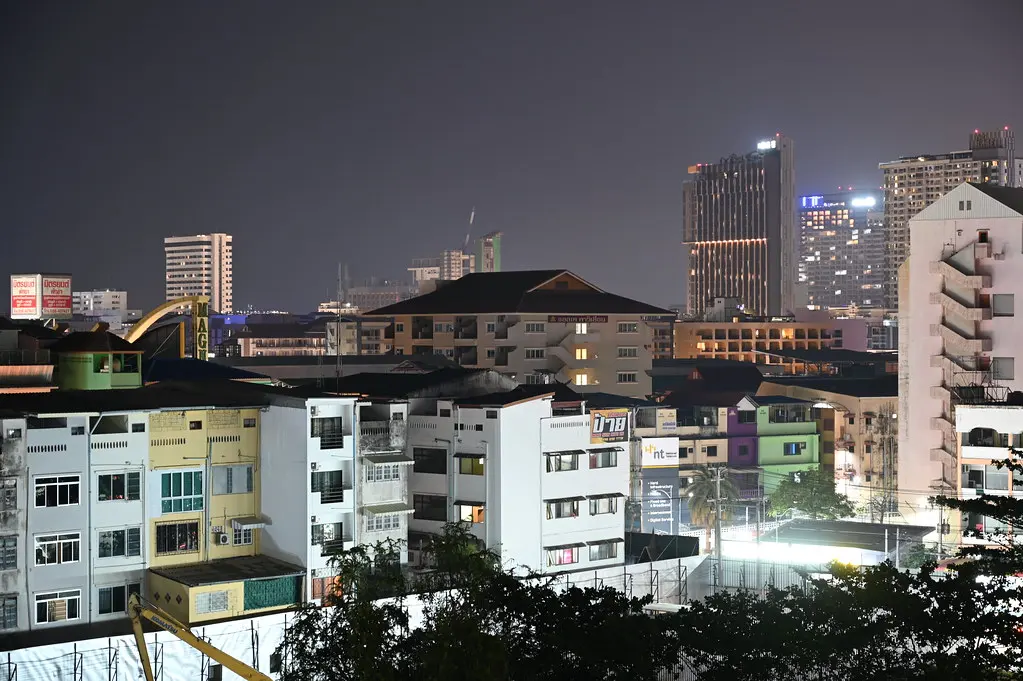
BANGKOK
The pandemic, for all its devastations, gifted us one unexpected dividend: the widespread legitimisation of remote work. What began as a necessity has blossomed into a global phenomenon, commonly dubbed 'work-from-anywhere,' or WFA. It’s a paradigm shift that, while fundamentally altering how businesses operate and individuals live, has quietly, yet profoundly, begun to reshape the property markets of desirable destinations worldwide. Nowhere is this more evident, perhaps, than in Thailand.
For decades, Thailand’s sun-drenched beaches, emerald rice paddies, and vibrant urban centres have drawn tourists in droves. But WFA has introduced a new breed of visitor: not just the two-week holidaymaker, but the digital nomad, the remote executive, and the entrepreneur seeking a lifestyle upgrade without sacrificing career progression. These individuals aren't merely looking for a hotel; they’re searching for a home, a base camp for an extended stay, or even a permanent relocation, blurring the lines between vacation and vocation.
This trend has ignited a surge in demand for secondary residences and holiday homes, particularly in picturesque Thai destinations that offer a blend of natural beauty, robust infrastructure, and a compelling cost of living. Phuket, always a magnet for the affluent, has seen renewed interest from buyers seeking luxurious villas with high-speed internet and dedicated office spaces. “It's not just about the sea view anymore,” explains Saroj Ratanaporn, a veteran real estate agent in Rawai. “Clients are explicitly asking for reliable fibre optic, backup power, and soundproofed studies. Their work cannot be interrupted.”
Beyond Phuket’s well-trodden paths, destinations like Koh Lanta, known for its laid-back charm and unspoiled beaches, are experiencing an unprecedented uptick in enquiries. What was once the domain of backpackers and boutique resorts is now attracting families and individuals keen to integrate into a slower pace of life, all while maintaining their global professional ties. Properties offering more space, often with private pools and lush gardens, are commanding premium prices, reflecting their dual utility as both leisure havens and functional workspaces.
Chiang Mai, in the north, presents another fascinating case study. Far from the coast, its appeal lies in its rich cultural heritage, temperate climate, and burgeoning creative scene. Here, the WFA cohort is gravitating towards contemporary condominiums and traditional Lanna-style houses, valuing community, connectivity, and access to a vibrant café culture that doubles as impromptu meeting spots. The demand isn't just for purchase; long-term rentals, often exceeding six months, are becoming fiercely competitive, pushing rental yields upwards for savvy investors.
The influence of WFA extends beyond individual property transactions. Developers are now designing properties with remote work in mind, incorporating dedicated co-working spaces within residential complexes, enhancing security, and ensuring robust utility provisions. Connectivity is no longer a luxury but a fundamental necessity, shaping infrastructure investments across the board. The market is also seeing a rise in hybrid properties – part residence, part serviced apartment – catering to those who desire flexibility without commitment.
The pandemic didn't just change where we work, it redefined where we can truly live.
However, this phenomenon isn't without its challenges. The increased demand risks driving up property prices, potentially making these idyllic locations less accessible to local populations. Regulatory frameworks, particularly concerning visa requirements for long-term stays for non-traditional workers, are still evolving. Yet, the economic benefits, from increased foreign investment to a boost in local businesses, are undeniable. For Thailand, 'work-from-anywhere' isn't just a fleeting trend; it’s a powerful economic engine, recalibrating its identity as not merely a holiday paradise, but a viable, vibrant hub for global professionals seeking an enviable work-life balance. The property market, it seems, is only just beginning to catch up to this new reality.
Newsletter
Pacific Daily
A curated briefing from Thailand, Asia-Pacific and the world.