Cross-Border Watersheds and the Limits of Domestic Emergency Directives
Anutin Charnvirakul elevates northern river contamination to a cabinet-level emergency after discussions in Shenzhen with Xi Jinping
SINGAPORE
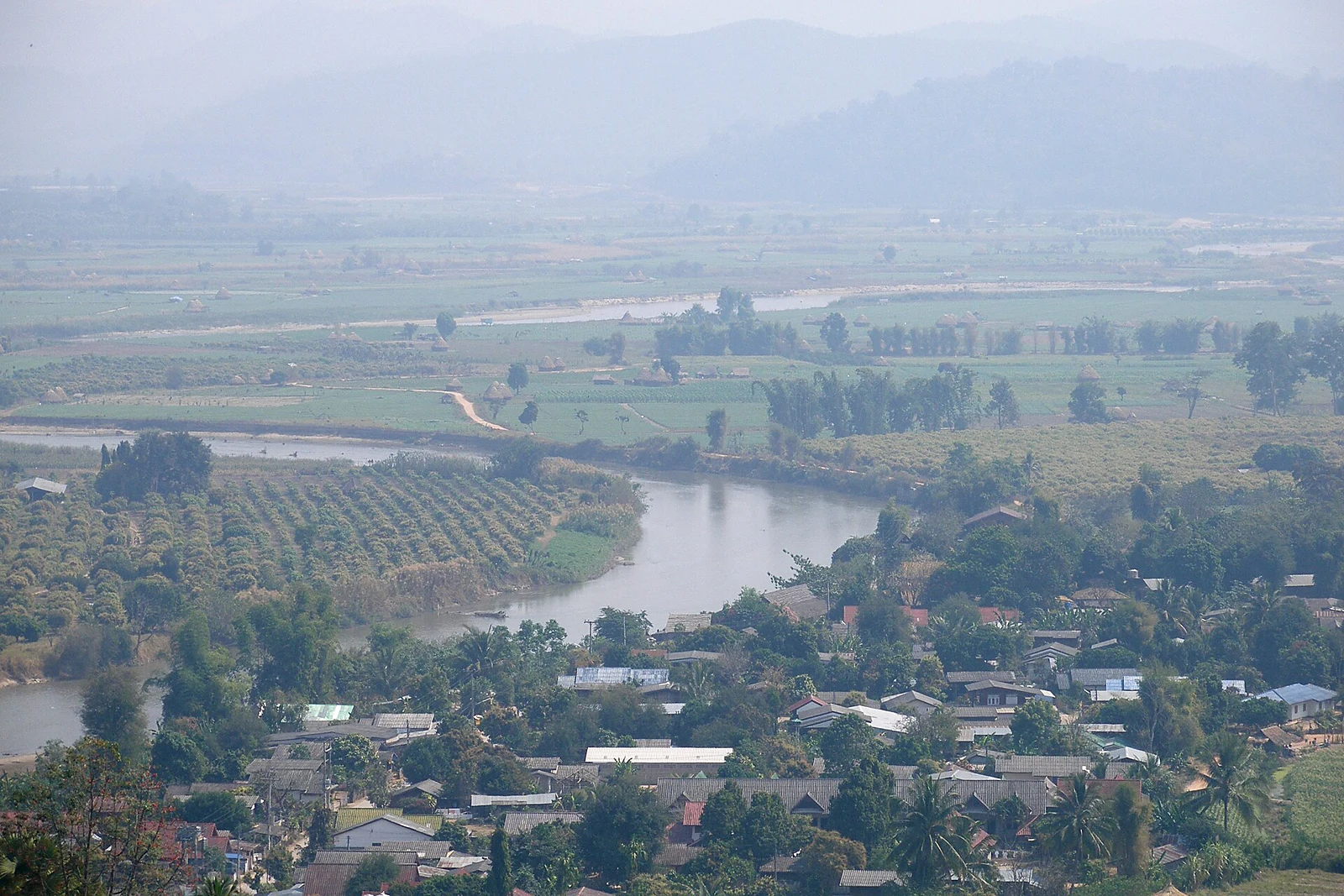
Domestic administrative urgency often serves as a substitute for multilateral leverage when environmental hazards disregard national boundaries. Prime Minister Anutin Charnvirakul convening an extraordinary session at Government House on Saturday to designate northern river pollution as a national priority signals an abrupt change in executive posture. Riverine contamination in northern provinces has long been managed as a seasonal, localised crisis. Elevating the degradation of upstream waterways into a national concern indicates that internal enforcement mechanisms have exhausted their utility, requiring cabinet intervention to realign bureaucratic mandates.
Executive declarations, however, confront geographical realities that domestic ministries cannot resolve alone. Northern waterways operate within an interconnected drainage basin where industrial effluent, agricultural runoff, and sediment transfers cross sovereign borders before reaching agricultural lowlands. When toxic discharge enters transnational river systems, standard domestic remedies such as provincial cleanup efforts and agricultural subsidies prove fundamentally insufficient. By scheduling the Government House assembly, Anutin attempts to centralise domestic authority over an ecological crisis whose originating drivers sit outside Thai statutory reach.
Diplomacy Precedes Domestic Mandates
This domestic escalation gains political traction only when viewed through the bilateral engagement that preceded it. Before announcing the Saturday assembly, Anutin met Chinese President Xi Jinping at Jiuzhou Hall within Kylin Villa in Shenzhen. Bilateral discussions between the two leaders established common recognition that cross-border water pollution demands coordinated intervention. That an internal environmental convening followed high-level engagement in China demonstrates how closely northern ecological stability depends on diplomatic consensus.
Equating prime ministerial attention with environmental resolution carries inherent institutional risks. National priority status guarantees coordinated ministerial oversight, yet domestic agencies possess no jurisdictional instruments to police upstream practices beyond state borders. Even robust domestic coordination cannot compel external industrial facilities to curtail chemical discharge or alter runoff practices. The government risk creating an enforcement expectation at home that remains perpetually vulnerable to diplomatic concessions abroad.
The Sovereignty Deficit Along Transnational Currents
Regional governance frameworks frequently falter where national sovereign priorities clash with collective natural resource stewardship. Downstream states inevitably absorb downstream damage, facing public health risks and water supply impairment, while upstream nations balance regional diplomacy against internal industrial output. While Beijing and Bangkok may agree on high-level consultative principles, operationalising river monitoring frameworks requires sustained technical compliance, shared hydrological data, and binding liability mechanisms that bilateral meetings rarely establish on their own.
Saturday's session at Government House will test whether Anutin can translate elevated national rhetoric into structural resilience. Aligning water safety standards, provincial monitoring grids, and emergency public health responses will address immediate domestic anxieties. Even so, the ultimate trajectory of northern river health remains tied to international diplomacy rather than domestic decree, leaving executive policy suspended between domestic promises and external restraint.
Sources
Newsletter
Pacific Daily
A curated briefing from Thailand, Asia-Pacific and the world.