Commercial Handsets and the Unseen Perimeter of Maritime Defence
Telemetry from civilian devices exposes operational routines across installations, challenging strategic doctrines built on physical isolation.
SINGAPORE
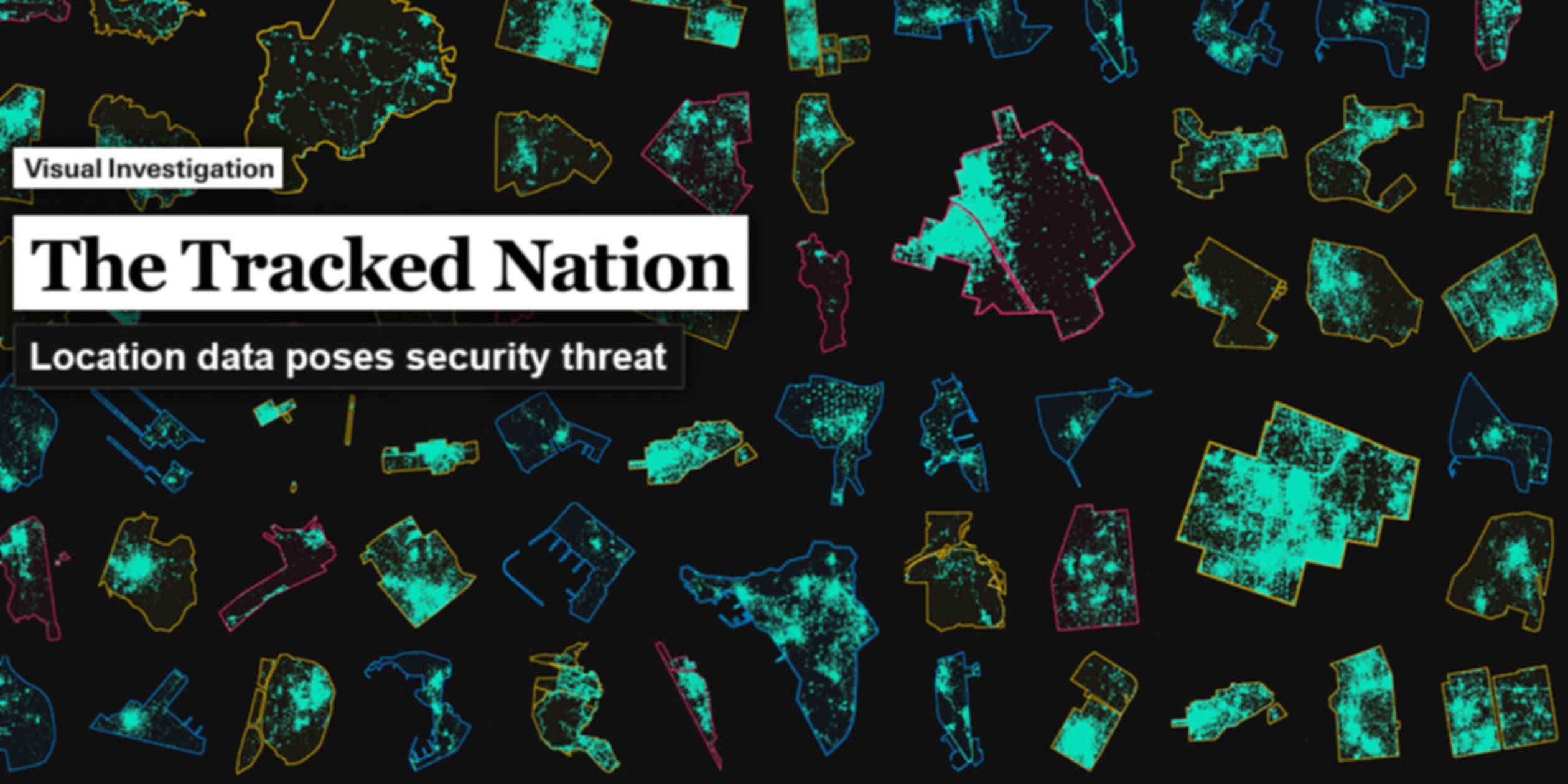
Physical sentries can secure an island redoubt, but consumer telecommunications dissolve territorial perimeters from within. For generations, maritime security planning treated garrisons as impermeable domains governed by strict physical access. That traditional perimeter doctrine collapses once civilian hardware enters operational space, turning commercial transmissions into systematic vulnerabilities. Reporting by Nikkei Asia outlining how defence bases in Japan face exposure through smartphone data illustrates a structural shift confronting contemporary command structures. Fortifications designed to withstand external pressure cannot counter the ambient digital exhaust emitted by service members stationed inside them.
Historically, garrison management relied on absolute physical demarcation. Commanders regulated access through gates, banned personal cameras from sensitive berths and strictly policed military radio bands to guard against external interception. Commercial mobile ecosystems altered that calculus without a shot being fired. Every commercial application continuously requesting positional telemetry generates persistent geospatial records, mapping troop movements and base logistics into commercial data streams accessible across international boundaries.
The Friction Between Security and Consumer Utility
Administrative responses to this vulnerability confront severe operational contradictions. Personnel are embedded in civilian economies, relying on consumer smartphones for household communication, banking access and basic administrative necessities. Imposing total communications bans inside facilities triggers immediate morale penalties and complicates recruitment efforts where services compete directly with private employers for qualified personnel. Alternatively, permitting connected devices within perimeters concedes that location data aggregators and remote analysts can chart base activities without breaching a physical checkpoint.
Command guidelines often mischaracterise device telemetry as a failure of personal discipline rather than an inherent vulnerability of network architecture. Directives issued from central ministries frequently order personnel to switch off application tracking or leave phones in living quarters during sensitive exercises. Evidence suggests these procedural adjustments fail against modern operating systems, which harvest positional indicators through cell towers and local wireless networks regardless of individual application settings. Defensive guidelines drafted inland repeatedly misunderstand the technical realities operating across strategically vital coastal outposts.
Unresolved Exposure Across Coastal Outposts
This transmission pattern carries acute implications for maritime installations, where troop surges, vessel deployments and maintenance cycles dictate regional operational posture. When service members report for duty along strategic corridors, automated commercial telemetry registers the influx in aggregate, signalling operational escalations to any actor monitoring commercial data broker feeds. Even rigorous operational hygiene enforced by primary defence units is undermined if support staff, supply contractors or allied detachments traverse base perimeters carrying unsecured commercial hardware.
Concrete ramparts and guarded perimeter fences retain symbolic authority, but their defensive utility degrades when civilian devices broadcast garrison activity in real time. Regional defence authorities face an unyielding constraint: absorb the domestic recruitment friction of absolute technical isolation, or accept that routine installations remain legible to civilian surveillance networks. That tension between consumer integration and institutional secrecy across frontline bases remains fundamentally unresolved.
Sources
Newsletter
Pacific Daily
A curated briefing from Thailand, Asia-Pacific and the world.