Colombia’s River Victim Status and the Shifting Landscape of Environmental Liability
The future of legal recognition for damaged waterways in post-conflict zones faces uncertainty, raising questions for maritime policy in the Pacific Rim.
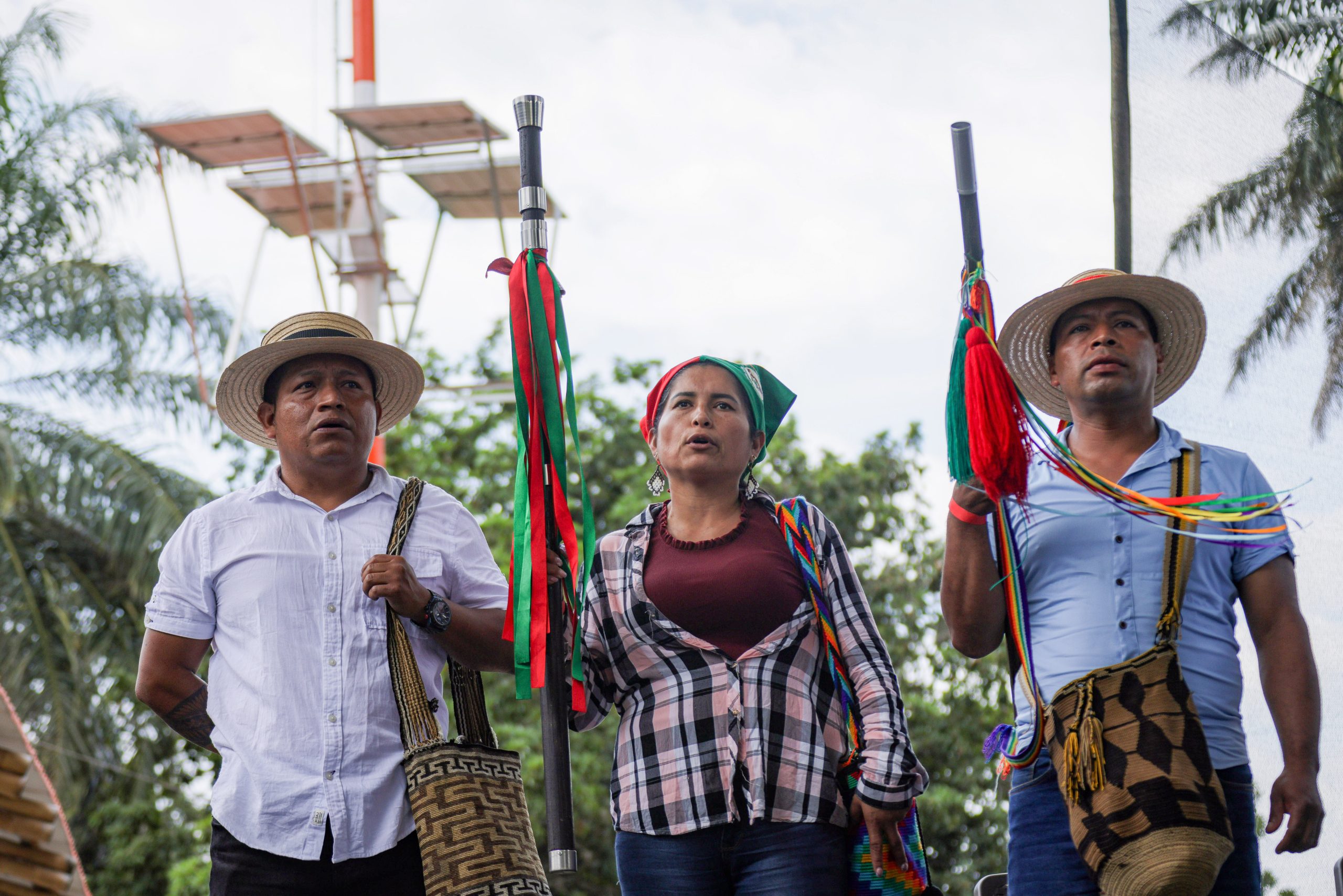
Colombia’s unprecedented recognition of several rivers as victims of armed conflict now faces an uncertain future. This legal mechanism, granting victimhood to waterways for post-war environmental justice, emerged from efforts to address ecological damage caused by illegal activities, particularly those affecting the Cauca river basin. Fishers in Colombia’s Bajo Cauca region have seen their livelihoods impacted by this pollution for a long time.
This development, reported by China Dialogue Ocean in October 2026, holds implications beyond Colombia’s borders. The concept of recognizing natural entities as legal victims represents a novel approach to environmental governance. For maritime industries and regulators in the Pacific Rim, this prompts a core question: does existing policy sufficiently account for the actual use and vulnerability of waterways, especially in regions marked by conflict or extensive resource extraction?
The state institution responsible for this recognition now confronts an uncertain fate itself. Should this legal framework dissolve, the precedent set for environmental accountability could weaken. While Colombia has focused on internal conflict, the broader Pacific region contends with distinct pressures. The US Boat Strikes shifted to the Pacific, as reported by The New York Times in December 2025, placing Colombia on watch for new maritime dynamics. This underscores a need for robust policy responses to ecological concerns tied to human activity.
For Thailand and other nations with extensive coastlines and internal river systems, Colombia’s experience offers a point of comparison. Many Southeast Asian waterways sustain large populations through fishing and agriculture. Policy that allows for the legal personhood of natural features or, less directly, establishes strict liability for environmental damage, could significantly alter how development projects and industrial operations are regulated. The Food and Agriculture Organization’s report from May 2025 on Tumaco becoming Colombia’s first Blue Port on the Pacific Coast indicates a drive toward sustainable maritime infrastructure, yet the underlying vulnerability of ecosystems persists.
The challenge lies in implementing effective legal structures that endure political shifts and adequately address the long-term impacts of human activity on marine and freshwater environments. Whether a nation classifies a river as a victim or enacts stringent pollution controls, the objective remains the same: safeguarding ecological functions vital to both local communities and broader regional stability. The true test of such policies will be their capacity to prevent degradation and ensure remediation, regardless of the institutional body overseeing them.
Sources
Newsletter
Pacific Daily
A curated briefing from Thailand, Asia-Pacific and the world.