Celebrity Optics and the Technical Reality of Coastal Racing
A skiff victory under gathering weather illustrates the enduring divide between maritime spectacle and harbour competition
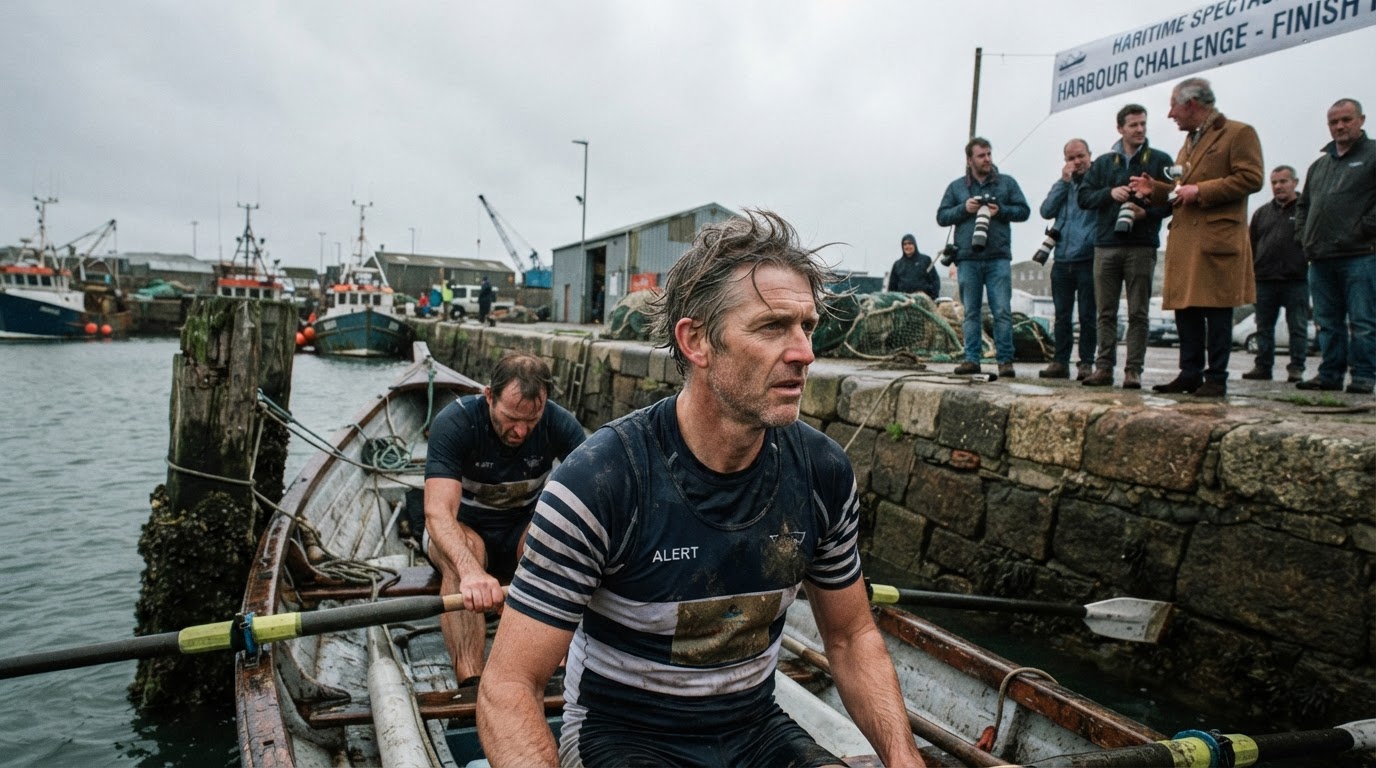
Harbour foreshores depend on cultural visibility to defend waterfront recreation against competing urban priorities, yet competitive navigation survives only through austere local disciplines that promotional capital cannot generate. A sequence recorded by Sail World Asia exposes that persistent operational division. One week, Manly skipper Zoe Dransfield stood beside international superstar Hugh Jackman; days later, she joined Hugh Stodart and his son Jamie to steer Balmain through darkened skies, securing a long course pointscore victory.
Public relations rituals project coastal recreation as accessible theatre. Technical skiff competition demands the opposite: physical stamina, acute tactical judgment, and collective accountability to sudden microclimates.
The Technical Economy of the Foreshore
The victory recorded by Balmain under deteriorating cloud cover illustrates how competitive outcomes turn on immediate environmental adaptation rather than prestige. Dransfield moved directly from external visibility into a working trim with Hugh Stodart and Jamie. Their collaborative performance was tested not by social cachet, but by the physical demands of steering a long course under darkened skies. On municipal waterways, wind shears and tidal changes dictate tactical choices without regard for ceremonial stature. Skill in these environments is acquired through repetitive, untelevised trial across congested shipping channels and turbulent shoreline shelves.
That transmission remains distinctly intergenerational. The presence of Hugh Stodart competing alongside Jamie points to a local maritime economy sustained by family lineage rather than promotional campaigns. Generational crews absorb navigational memory directly across decades, anchoring competitive classes that institutional marketing often overlooks.
Competing Pressures on Coastal Tenure
Waterfront sporting bodies undoubtedly face structural counterpressures. Shorelines across the Pacific basin remain contested zones where recreational facilities must constantly justify their footprint against commercial marina developers and high-density real estate interests. Proponents of prestige marketing argue that high-visibility encounters with figures like Hugh Jackman deliver the political goodwill necessary to safeguard maritime leases. Without broader public notice, community sailing clubs risk being relegated to historical relics on prime metropolitan coastlines.
In competitive harbour racing, atmospheric shifts dictate strategic decisions instantly, leaving zero margin for ceremonial distractions.
Yet promotional utility cannot substitute for physical seamanship. The unresolved strain lies between the administrative requirement to court external spectacle and the physical necessity of maintaining crews capable of navigating foul weather. Waterfront clubs may trade on celebrity recognition to protect tenure, but coastal authority ultimately belongs to those who steer through gathering storms.
Sources
Newsletter
Pacific Daily
A curated briefing from Thailand, Asia-Pacific and the world.