Canggu's Digital Nomad Gold Rush: Co-Living and Co-Working Redefine Bali Property Investment
As remote work reshapes global lifestyles, Bali's Canggu emerges as a hotspot for integrated living, offering landlords a lucrative new frontier in residential rentals.
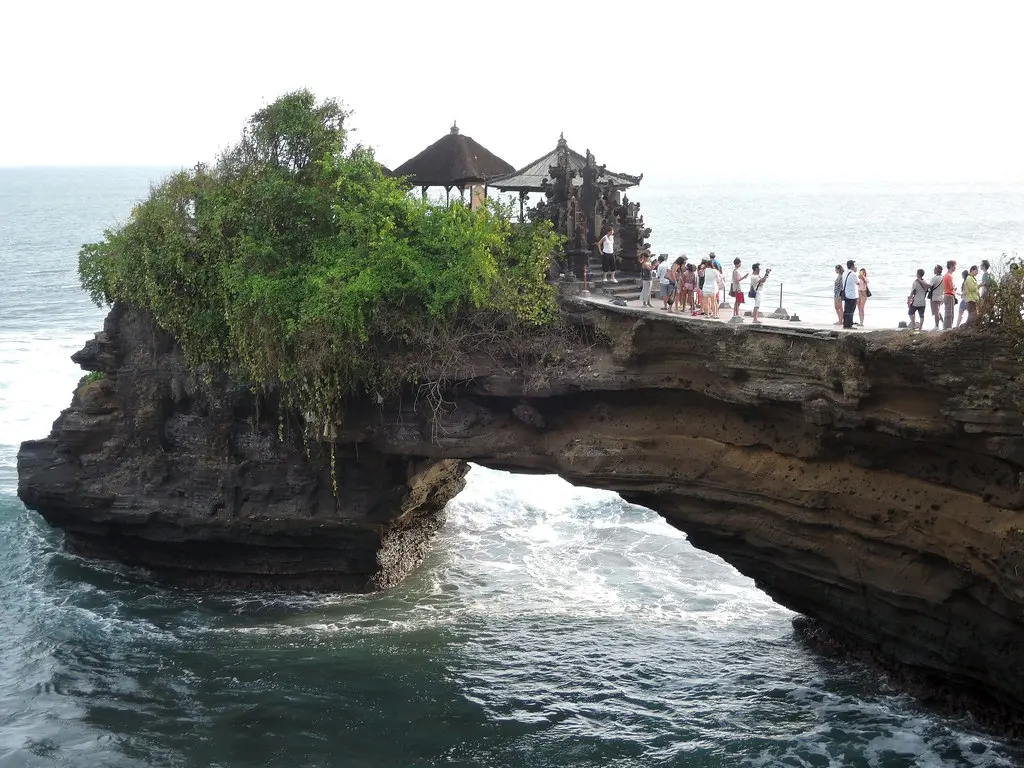
BALI
The hum of MacBooks and the scent of strong Balinese coffee mingle with the distant crash of waves along Batu Bolong beach. It’s early afternoon in Canggu, and the air at ‘The Nomads Oasis’, a purpose-built co-living space I’m touring, buzzes with a distinct, entrepreneurial energy. Here, the traditional boundaries between home, office, and social hub are not just blurred; they’ve been deliberately erased. This is the new reality for a growing legion of digital nomads, and it’s radically reshaping Bali’s property landscape, particularly in this trendy South Bali enclave.
My observations from a week spent crisscrossing Canggu, speaking with property developers, agents, and the nomads themselves, confirm what many had previously dismissed as a transient fad. The demand for residences that seamlessly integrate flexible workspaces, high-speed internet, and a built-in community is no longer niche. It is the dominant force driving rental yields and new developments in this vibrant district. Traditional villas, while still popular for short-term holidaymakers, often fall short of the specific needs of these long-term tenants who demand reliability, connectivity, and a ready-made social infrastructure.
Take, for instance, Anya Petrova, a 32-year-old software engineer from Berlin. She’s been renting a private room with an attached workspace at The Nomads Oasis for the past six months. “I came for the surf, but I stayed for the community and the reliable internet,” she tells me over a smoothie bowl. “My previous villa rental was beautiful, but the Wi-Fi was always an issue, and I spent half my evenings alone. Here, I finish work, and there’s always someone to grab dinner with or join for a yoga class. It’s an ecosystem.” This sentiment is echoed time and again. These aren't just tourists; they are professionals building lives and businesses, seeking environments that support both.
Property developers like PT. Bali Living Solutions are keenly aware of this shift. “Five years ago, everyone wanted a private pool and rice paddy views. Now, our most requested features are ergonomic workspaces, soundproofed units, and high-spec communal areas for networking and events,” explains Budi Santoso, their Head of Acquisitions. “Our latest project, ‘The Hub Residence’ near Berawa, is designed with a dedicated co-working floor, a podcast studio, and communal kitchens. We’re seeing occupancy rates hit 95% within weeks of launch, often with tenants committing to six-month or even year-long leases.”
The numbers speak volumes. According to data from local property analytics firm Balinese Estates, the average rental yield for co-living units in Canggu has consistently outperformed traditional long-term villa rentals by 15-20% over the past two years, reaching an impressive 9-11% annually in some prime locations. This is significantly higher than the 6-8% often achieved by standalone holiday villas, which also contend with higher maintenance and vacancy rates. The initial investment might be slightly higher due to specific infrastructure requirements, but the stability and yield potential are proving irresistible for astute investors.
The Investment Sweet Spot
For landlords eyeing Canggu, the message is clear: adapt or be left behind. The era of passively renting out an ornate Balinese villa and expecting top-tier returns is fading for the long-term market. The new gold standard involves integrated solutions. Converting existing properties to include dedicated workspace zones, upgrading internet infrastructure to fibre optic speeds, and fostering a sense of community through shared amenities are no longer optional extras but necessities.
Some might argue, as a recent article in 'Global Property Insider' did, that the Bali digital nomad trend is inherently volatile, subject to visa changes and global economic shifts. While acknowledging such risks, my on-the-ground assessment suggests a deeper entrenchment. Indonesia’s recent ‘digital nomad visa’ initiatives are a testament to the government's recognition of this lucrative demographic. Furthermore, the sheer breadth of remote work across industries implies a more resilient, diversified tenant base than many transient tourism markets.
"This isn't just about renting a room; it's about buying into a lifestyle that supports both work and well-being. Landlords who understand that are the ones winning big right now."
Future-Proofing Your Portfolio
The savvy investor in Canggu today isn't just building units; they're crafting ecosystems. They understand that a digital nomad isn't simply looking for a bed and a roof, but a complete package that facilitates productivity, fosters connection, and enhances their quality of life. From flexible lease terms to integrated wellness facilities, the focus is on convenience and experience. As Canggu continues its meteoric rise as a global digital nomad hub, properties that cater specifically to this demographic are set to deliver sustained, premium returns for years to come. The future of residential property investment in Bali is increasingly integrated, communal, and undeniably connected.
Newsletter
Pacific Daily
A curated briefing from Thailand, Asia-Pacific and the world.