Beyond the Temples: Ethical Wellness Escapes in Chiang Mai and Luang Prabang
For 2026, a new wave of mindful travelers seeks authentic rejuvenation in Southeast Asia, far from the 'wellness washing' of generic resorts.
CHIANG MAI
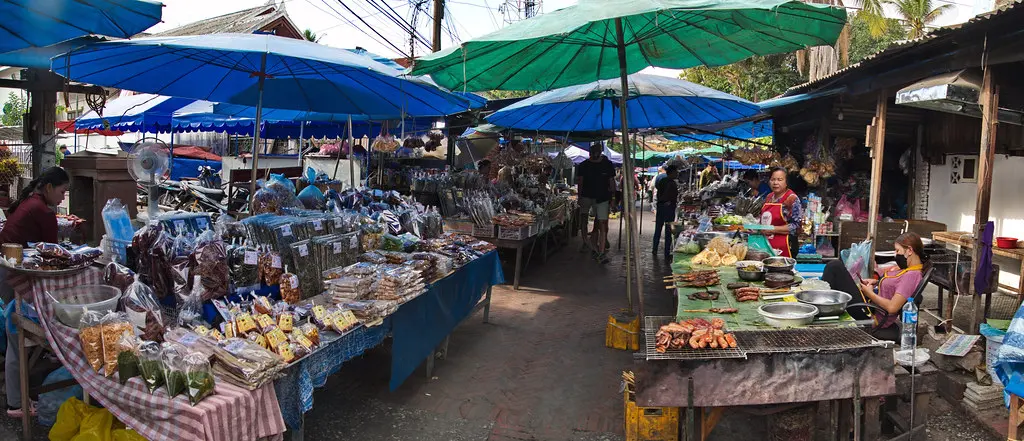
CHIANG MAI, Thailand — The morning air, thick with the scent of jasmine and woodsmoke, is a familiar embrace as I navigate the bustling streets of Chiang Mai. But it’s not just the ancient temples or vibrant markets drawing visitors in 2026; a more profound quest for well-being is unfolding across Northern Thailand and into Laos. This isn't the 'wellness' of celebrity-endorsed juice cleanses or sprawling, impersonal resorts, but a slower, more integrated approach – one that respects local culture, empowers communities, and offers genuine restorative experiences.
Over the past year, I've embedded myself in this burgeoning sector, speaking with everyone from village elders to Bangkok-trained holistic practitioners. What emerges is a clear bifurcation: the mass-market, often superficial offerings that still proliferate, and a smaller, but growing, segment dedicated to ethical, impactful engagement. Publications like 'Travel & Leisure' might laud the latest five-star spa opening with its infinity pools and imported treatments, but they often miss the heart of what makes this region truly special: its people and their enduring traditions. I've seen firsthand how a resort can claim 'local sourcing' while offering minimum wage for herbs grown in chemically-treated soil. That's not wellness; that's branding.
My journey began at a small, family-run guesthouse just outside Chiang Mai's Old City, The Serenity Sanctuary, which partners with a nearby Karen hill tribe village. Here, guests don’t just receive a traditional Thai massage; they learn about the medicinal properties of local herbs used in the compresses, sourced directly from the village’s organic farm, sustaining families like the Phonchai’s. “We are not just selling a service,” says Areeya Phonchai, a second-generation herbalist with a radiant smile, “we are sharing our way of life, our knowledge passed down through generations.” This is the ethical core: economic benefit flowing directly to the source, cultural exchange, not extraction.
In Luang Prabang, Laos, the pace slows even further. The UNESCO World Heritage town, nestled at the confluence of the Mekong and Nam Khan rivers, has historically drawn visitors with its saffron-robed monks and French colonial architecture. Now, a subtle but significant shift is underway. I spent a week at Ock Pop Tok, a fair trade handicraft center that has expanded its offerings to include natural dyeing workshops and mindfulness retreats that weave together Buddhist philosophy with traditional Lao weaving. Guests spend their mornings meditating with local monks and their afternoons learning the intricate art of silk production, from cocoon to loom. This hands-on immersion is a far cry from the fleeting Instagram moment offered by some of the more superficial 'wellness' experiences.
The Economic and Ethical Imperative
The economic impact of this conscious shift is tangible. According to a recent report by the World Tourism Organization, ethical wellness tourism in Southeast Asia is projected to grow by 15% annually through 2028, significantly outstripping conventional tourism. This growth isn't just about higher revenue; it's about equitable distribution. “When you visit places like our village and participate in our traditions respectfully,” explains Bapak Somsak, an elder in a remote Hmong community north of Luang Prabang that hosts cultural homestays and forest bathing experiences, “you are helping us preserve what we have. Our children see value in our heritage.” His words, spoken over a shared meal of sticky rice and foraged greens, resonate deeply. It's a mutual exchange, not a transactional one.
"True wellness is found not in isolation, but in connection – to nature, to culture, and to the people who steward both." – Dr. Alin Thanapat, Holistic Health practitioner, Chiang Mai
Returning to Chiang Mai, I reflected on the distinct pathways opening for the 2026 traveler. The choice is clear: pursue the generic, often culturally insensitive 'wellness' package, or seek out experiences that foster genuine connection and leave a positive footprint. Establishments like The Serenity Sanctuary and Ock Pop Tok are not anomalies; they are the vanguard of a movement demanding more from tourism. They prove that true rejuvenation isn't just about self-care; it's about community care, cultural preservation, and a deeper understanding of the world around us. For those willing to look beyond the slick brochures, Chiang Mai and Luang Prabang offer a profound journey for the body, mind, and spirit, rooted in authenticity and respect.
Newsletter
Pacific Daily
A curated briefing from Thailand, Asia-Pacific and the world.