A Shifting Landscape: Asia's Vulnerability to Distant Climatic Patterns
The echoes of Central American drought suggest a wider reckoning for agricultural systems.
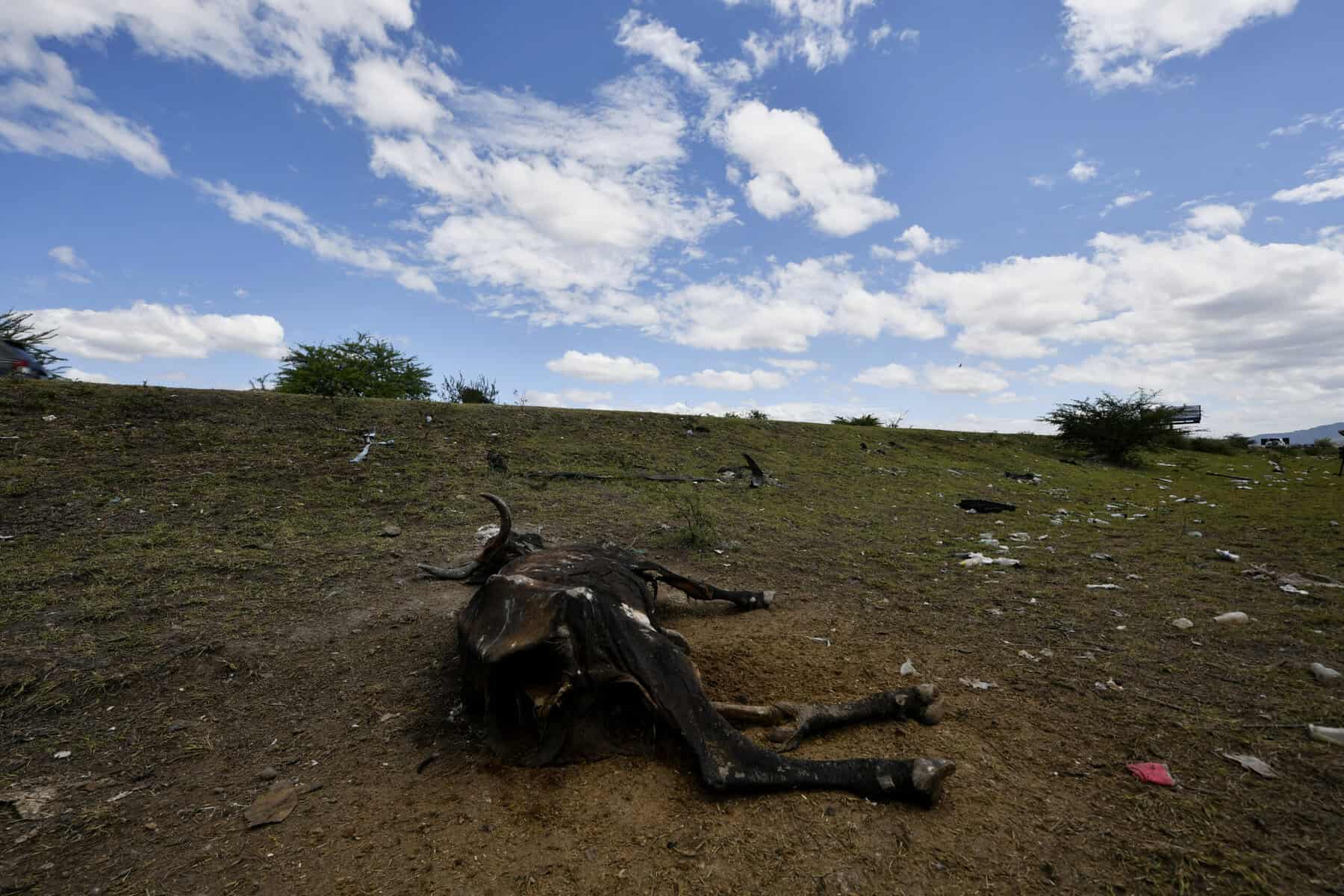
A scene unfolds in San Lorenzo, southern Honduras, where Lidia Ochoa recounts the disappearance of cattle and the scarcity of food. This personal account is set against a broader regional narrative: a drought, described as the worst in living memory, is killing animals and threatening food supplies across Central America. The Tico Times reported on this on September 16, 2026, linking the conditions to the El Niño weather pattern.
Such events, seemingly distant, carry implications beyond their immediate geography. While the El Niño in 1877 demonstrated its capacity to affect populations significantly, with millions impacted, the modern context suggests a more interconnected global food system. The UN warned on April 22, 2026, that extreme heat is pushing world food systems 'to the brink'. This vulnerability is not confined to regions directly experiencing severe drought. In the United States, cattle ranchers searched for feed in February 2026 as wildfires consumed grazing lands. Instances of mass cattle deaths due to heat and humidity have been recorded elsewhere, with at least 2,000 Kansas cattle dying in June 2022 and hundreds more in August 2023.
These patterns suggest that agricultural stability, particularly for livestock, faces multiple pressures. The initial observation of drought-induced cattle deaths in Central America points to a specific regional crisis. However, the wider evidence indicates that such crises are becoming a recurring feature of global agriculture, manifesting through varied climatic stresses. The question for regions like Asia, particularly Thailand, is how these distant and varied pressures might translate into local impacts.
Thailand, with its extensive agricultural sector, relies on predictable climatic conditions. Historically, the monsoon cycles have dictated planting and harvesting. While Central America struggles with drought, Thailand typically contends with variations in rainfall — either too much or too little. The interconnectedness of global supply chains means that disruptions in one major food-producing or consuming region can create ripple effects elsewhere. Should conditions in Central America destabilise its food exports or increase its need for food imports, this could subtly shift global demand and pricing, affecting regions like Southeast Asia. Furthermore, if the El Niño pattern that impacts Central America intensifies and disrupts Asian weather patterns, direct agricultural consequences for Thailand would follow.
One might argue that Thailand's agricultural diversity and established infrastructure provide a buffer against such distant shocks. Its capacity for rice production, for example, often positions it as a net exporter, suggesting a degree of self-sufficiency in staple foods. However, this perspective may overlook the cumulative effect of global agricultural instability. Even if Thailand's staple food production remains robust, the cost of imported feed for its own livestock, or the demand for its agricultural exports, could be influenced by severe and widespread climatic events globally. The Tico Times report specifically highlighted the impact on cattle, a sector where feed availability is a critical factor.
The scene in Honduras, marked by a specific climatic pattern, represents a fragment of a larger, evolving picture for global agriculture. What unfolds in one part of the world, whether through direct climate effects or the complex channels of trade and demand, will invariably influence others. The immediate struggle of Lidia Ochoa’s community offers a glimpse into a potential future for agricultural communities far beyond Central America’s borders, challenging the assumption that geographic distance provides complete insulation from climate-induced pressures.
Sources
Newsletter
Pacific Daily
A curated briefing from Thailand, Asia-Pacific and the world.