A Fighter's Death and the Lingering Cost of Spectacle
The passing of a young Muay Thai exponent in Singapore points to a deeper tension between cultural heritage and the demands of modern combat sports.
SINGAPORE
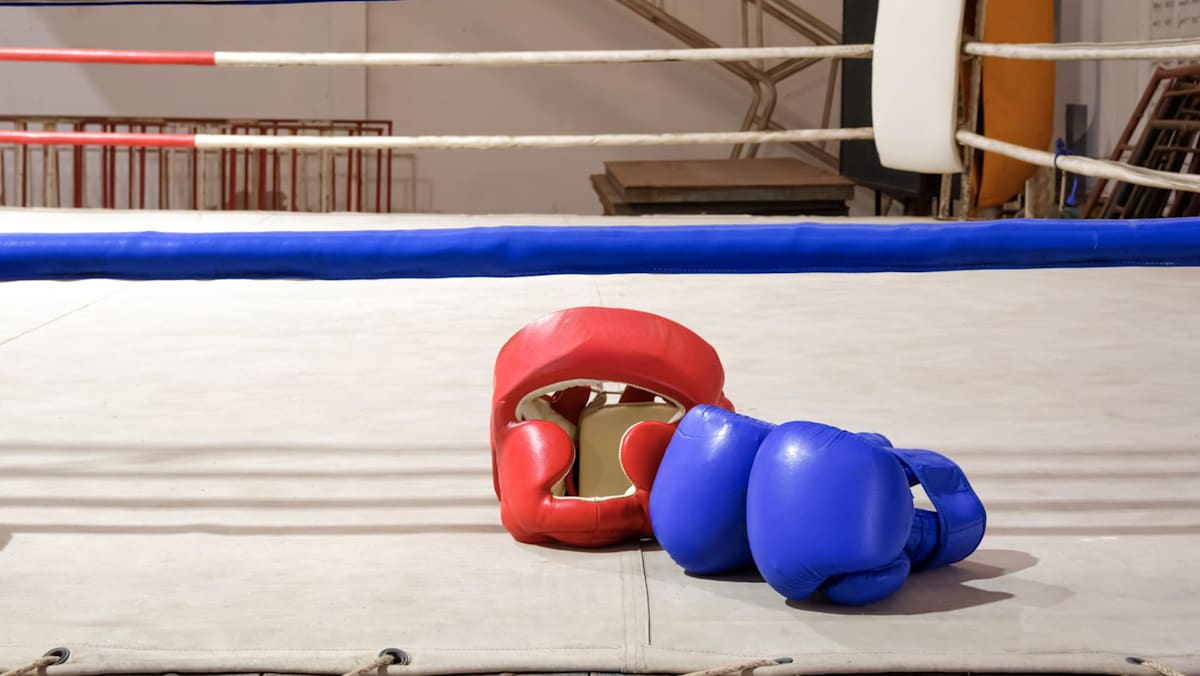
A blue boxing glove rests still inside a ring, an image that evokes the quiet aftermath of a contest. Yet, this particular aftermath, following the AMC 13 Fight for Hope tournament on September 12 in Singapore, is marked by a finality that extends beyond the canvas. Police have confirmed the death of a 24-year-old Muay Thai fighter, hospitalized after participating in the event at the National Stadium.
This incident, reported by CNA Lifestyle, is not merely a tragic isolated event. It brings into sharp relief the ongoing negotiation between tradition and modernity in a martial art deeply woven into the fabric of Southeast Asia, particularly Thailand. Muay Thai, often called the ‘Art of Eight Limbs’, is celebrated for its spiritual discipline and national identity. Its rigorous training, demanding technique, and indeed, its inherent risks, are understood by its practitioners and adherents. But when a contest moves from a local ring to an international stage in Singapore, the sport enters a different commercial ecosystem. The expectations of spectacle, audience engagement, and event production take on a new weight, layered over the raw physicality that defines the sport.
The death of a fighter raises uncomfortable questions about the stewardship of this heritage. While precise details surrounding the medical circumstances are not available, the fact of a fatality after a high-profile event compels a pause. It asks what responsibility is borne by organizers, regulators, and the wider industry when an athlete, particularly one so young, sustains injuries that prove fatal. The allure of the stadium lights, the promise of recognition, and the financial incentives for fighters and promoters alike are undeniable.
Yet, this pursuit of larger audiences and commercial success can inadvertently shift the focus from the well-being of the fighters themselves. It risks presenting the sport as pure entertainment, masking the profound risks undertaken with every strike and block. While other reports from the region detail unrelated fatalities – an 89-year-old man struck by a car in Canberra, a Scottish boxer dying after a tuk-tuk incident in Phuket, or an individual recovering after disarming a gunman in Bondi – the death of a combat sports participant after a sanctioned event resonates differently. It is not an accident of daily life, but a direct consequence of a staged encounter.
This outcome forces a reflection on how Muay Thai is presented and protected as it expands globally. It is an art form, a cultural practice, and a brutal sport all at once. The balance between preserving its authenticity and adapting to contemporary sports management, including stringent safety protocols, is delicate. For a tradition that asks so much of its participants, the duty to ensure their safety, even as they push the limits of human endurance, becomes paramount. The passing of this fighter is a stark reminder that beneath the pageantry, the discipline, and the cultural pride, the human cost of combat remains very real.
Sources
Newsletter
Pacific Daily
A curated briefing from Thailand, Asia-Pacific and the world.